New Zealand Safaris
Sambar Deer Hunting
A rare trophy to hunt
Considered an ‘iconic herd’, sambar deer are found only in the North Island — and mostly on private land.
Most Recent Trophies
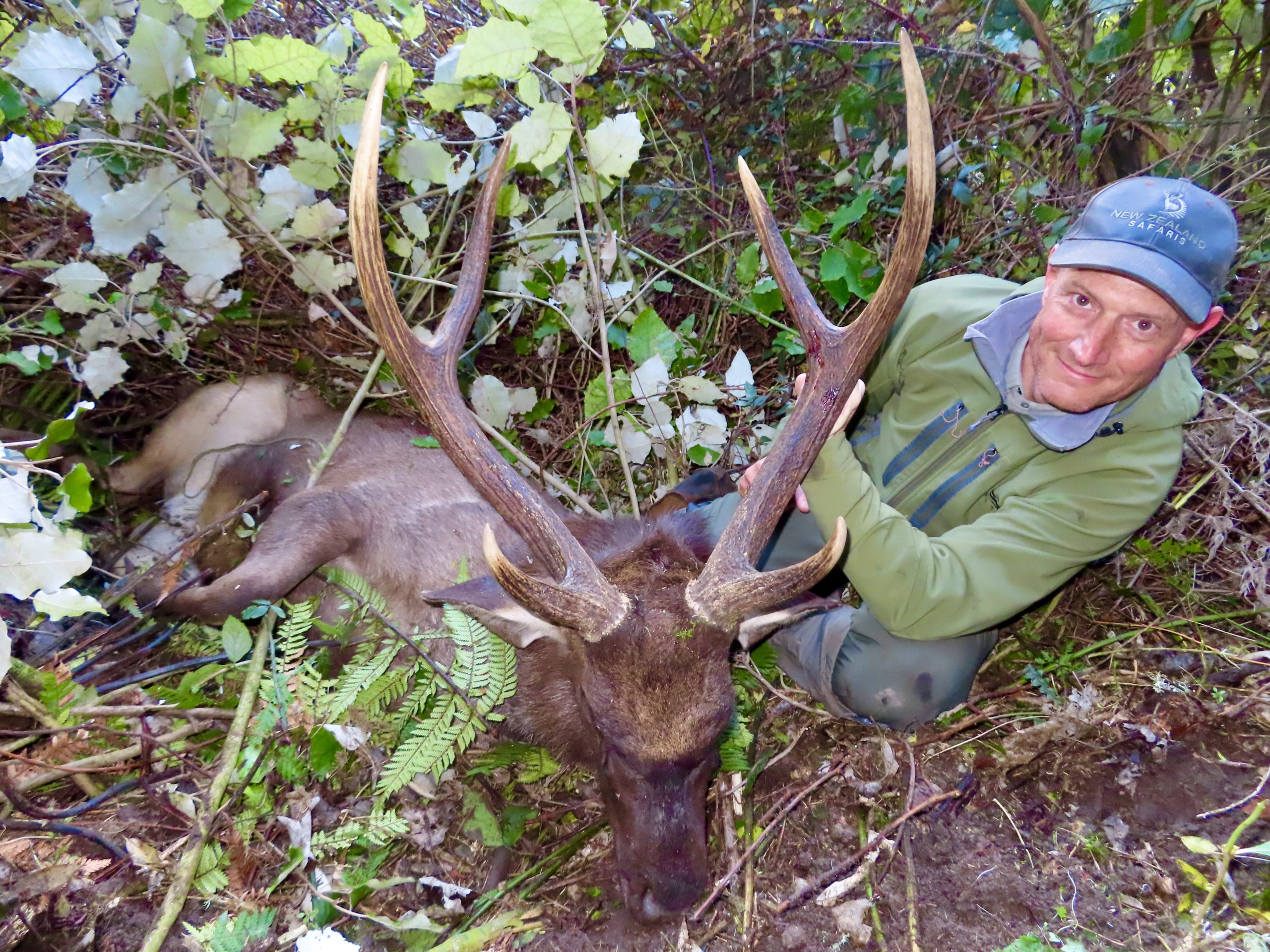
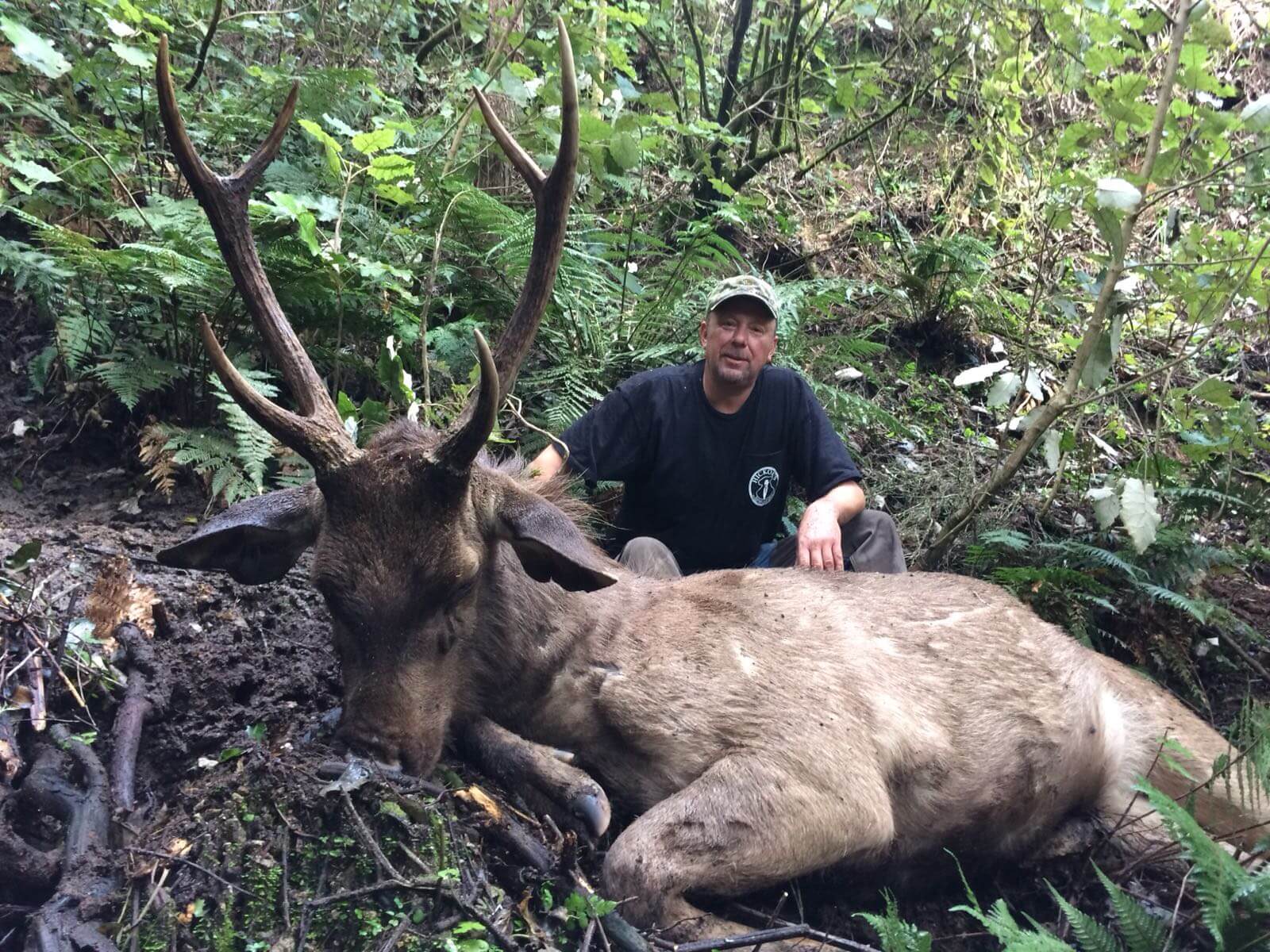
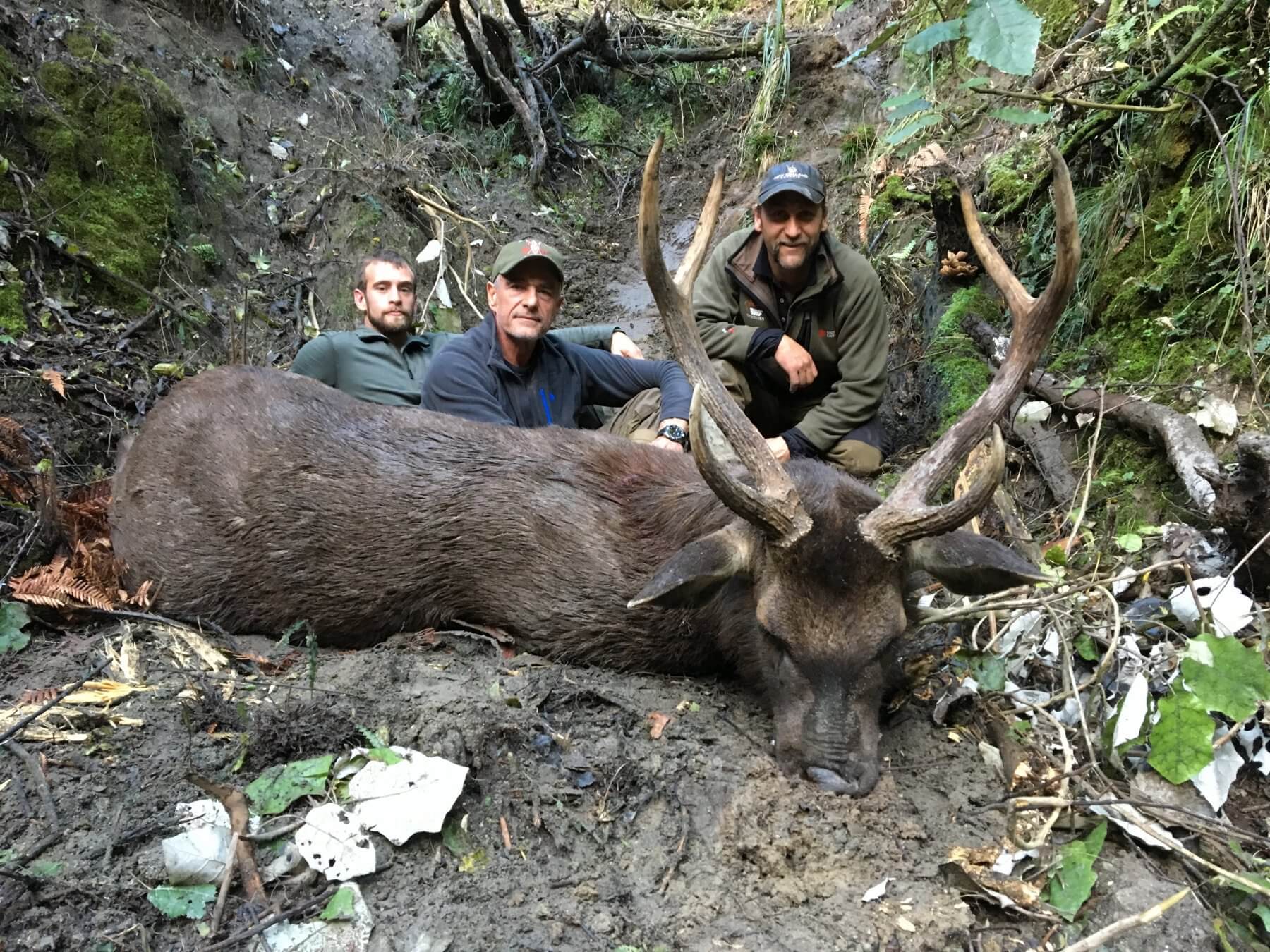
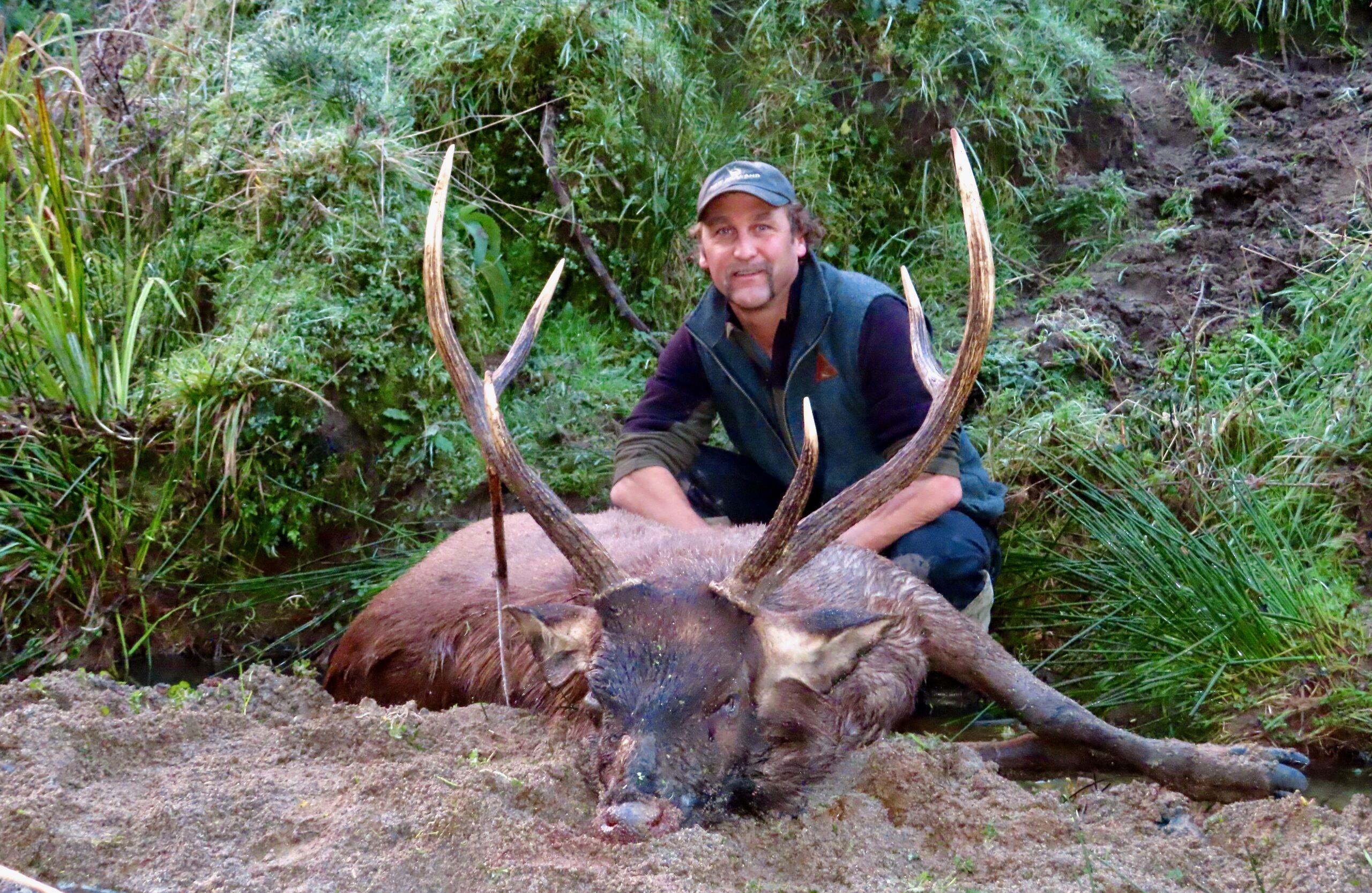
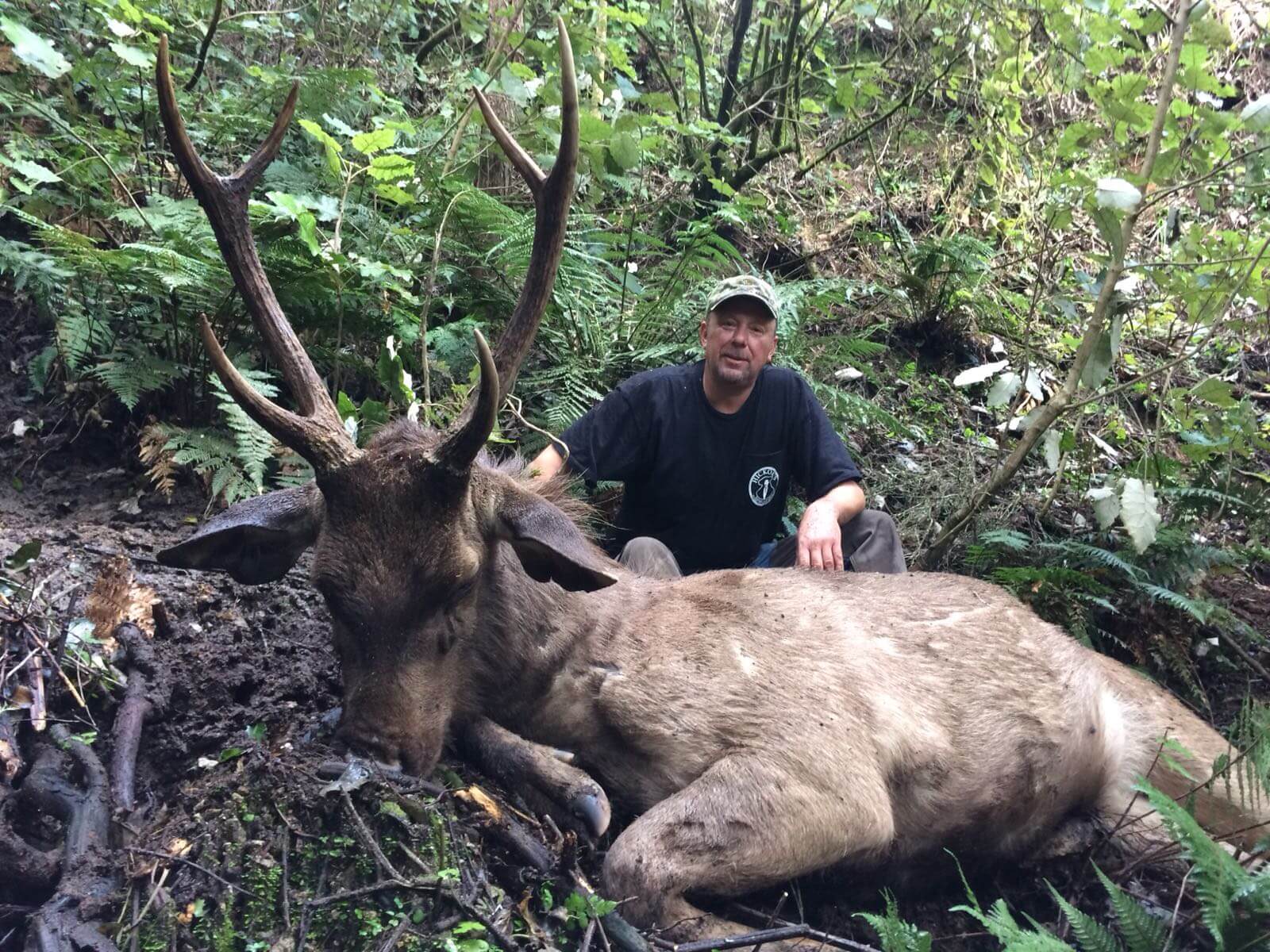
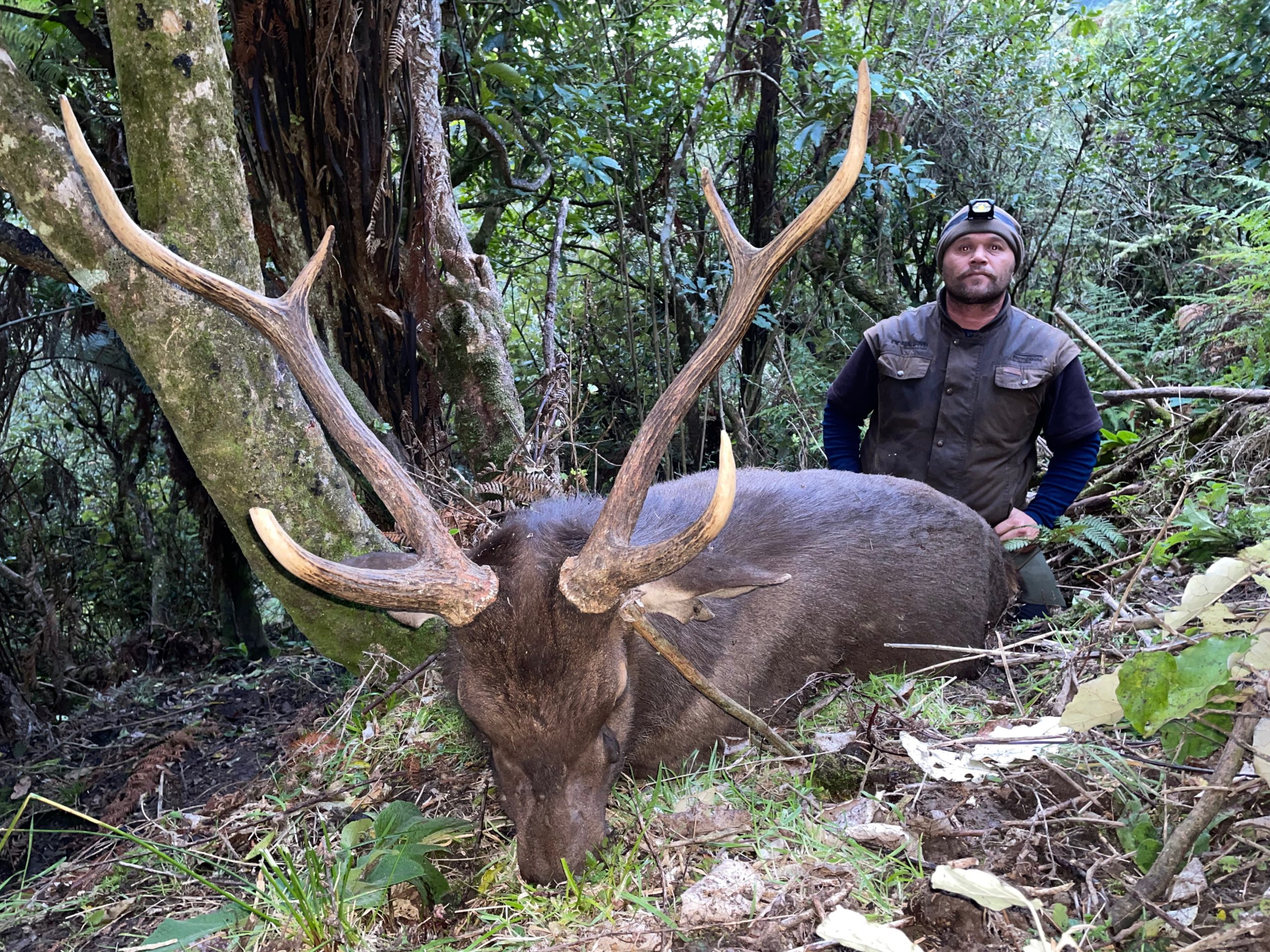
The Second-Largest Deer in New Zealand
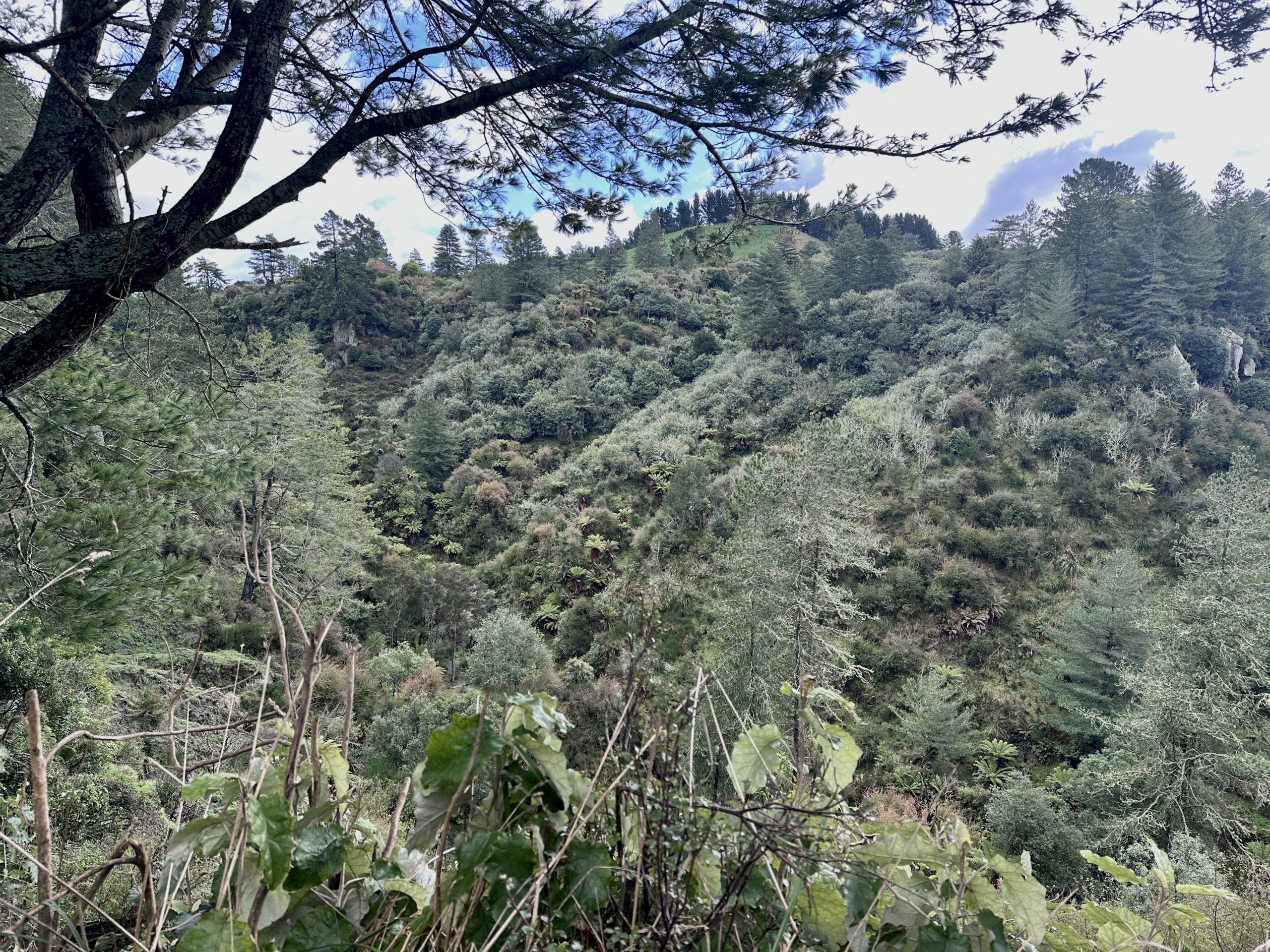
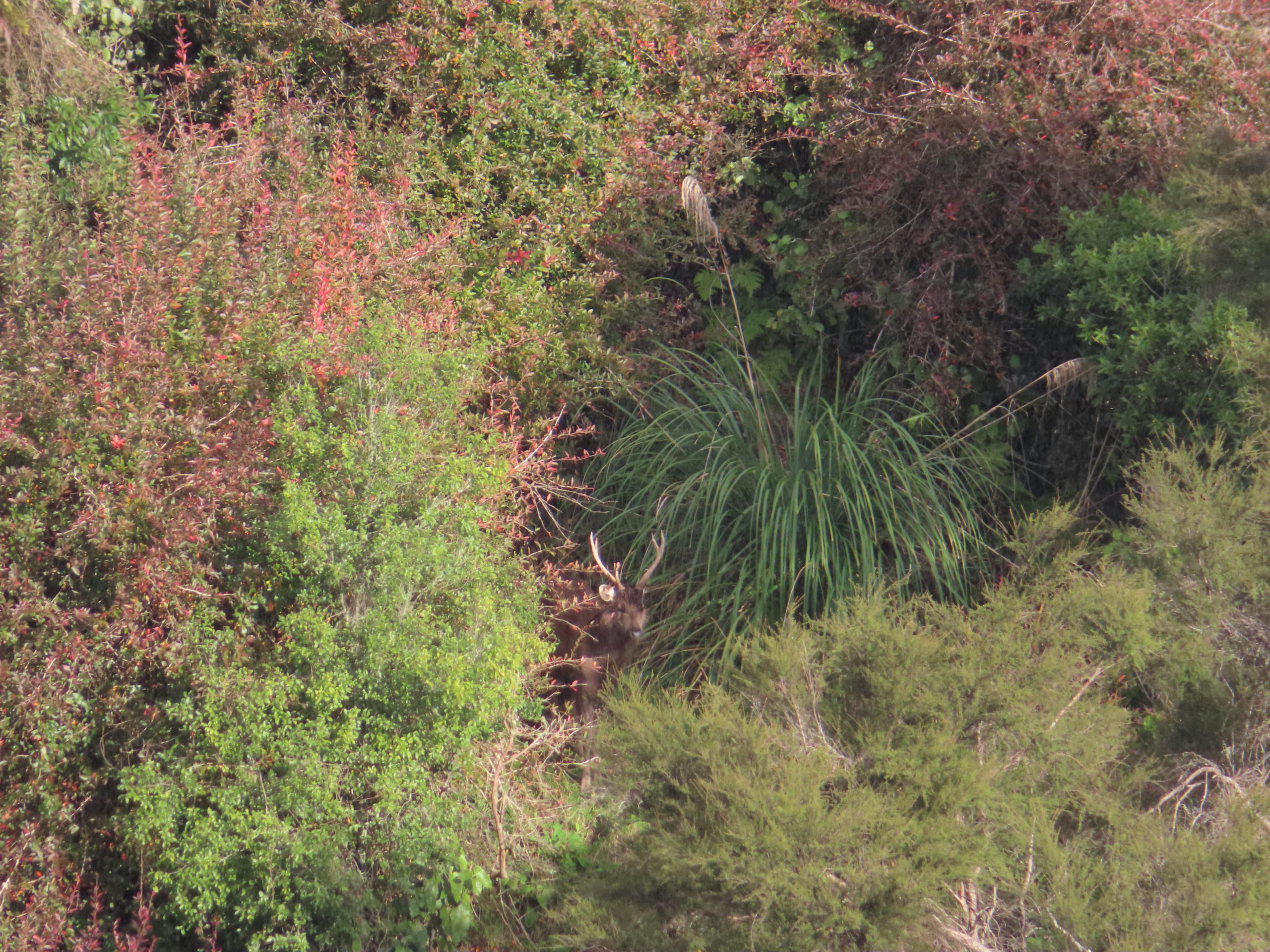
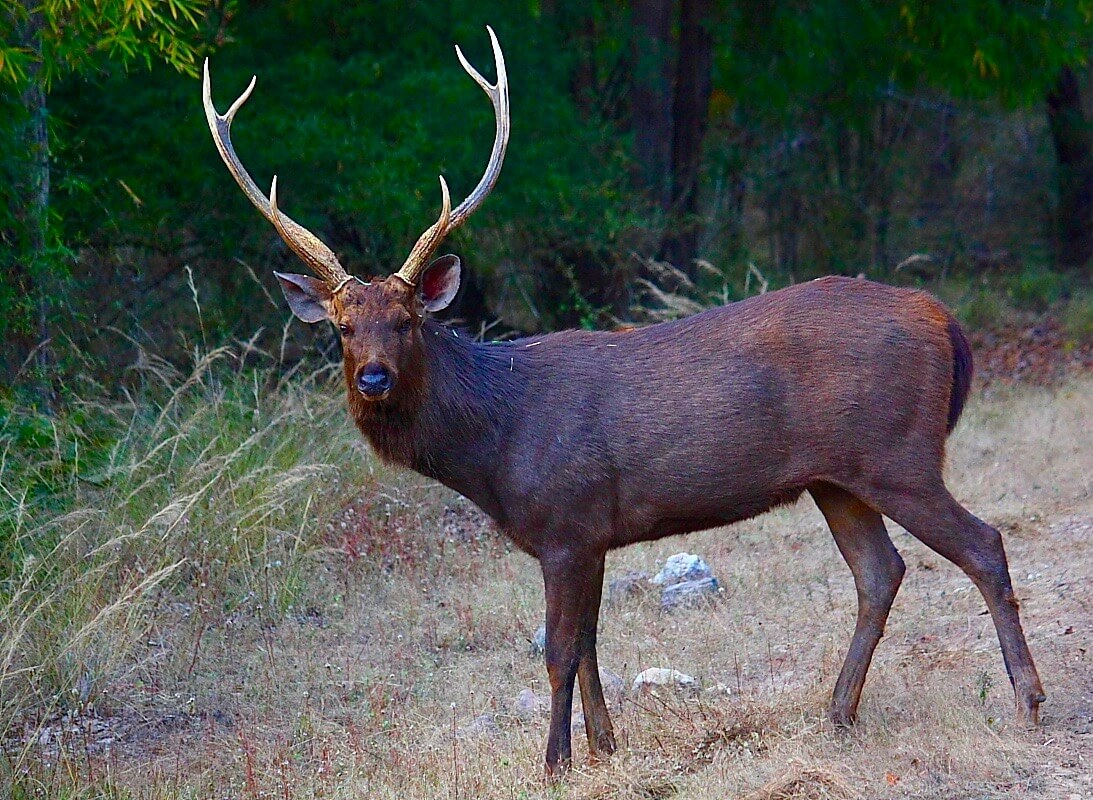
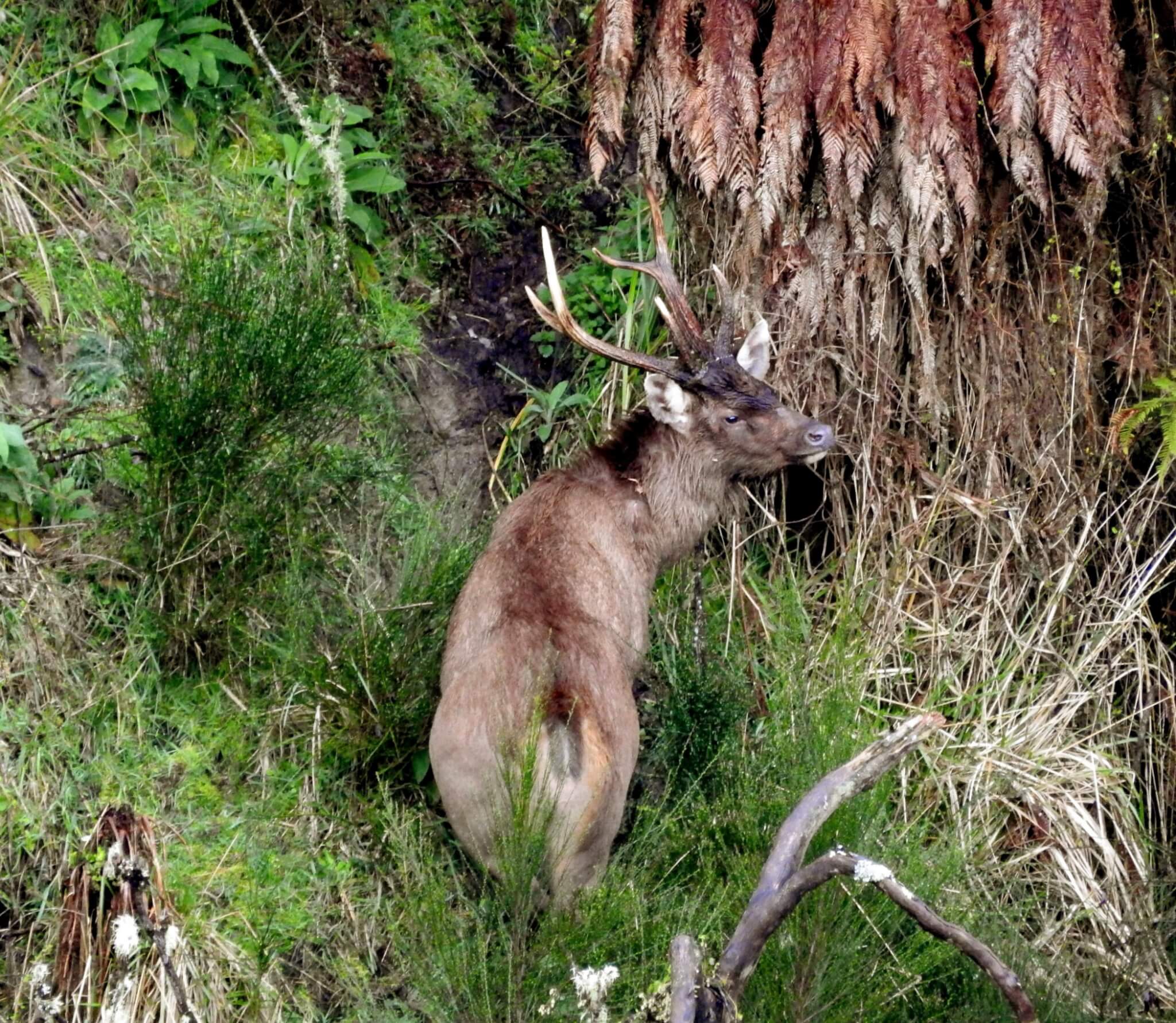
New Zealand sambar deer, like rusa, originated from India, with their introduction to the central North Island in 1875. The South Pacific is the only region in the world this species can be hunted. Closely related to the rusa, sambar prefer to inhabit thick scrub and bush, however they frequently venture out into small clearings to feed.
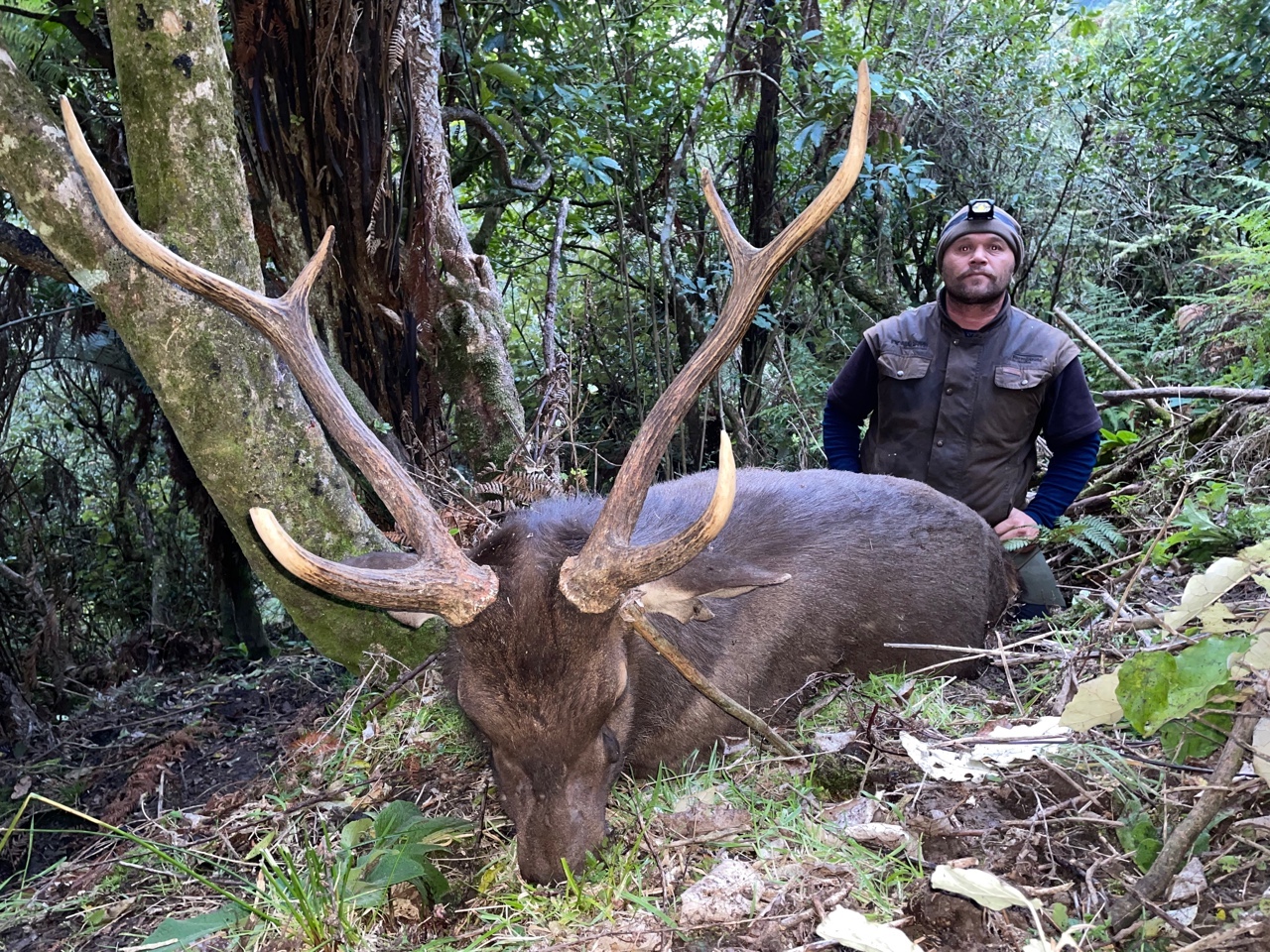
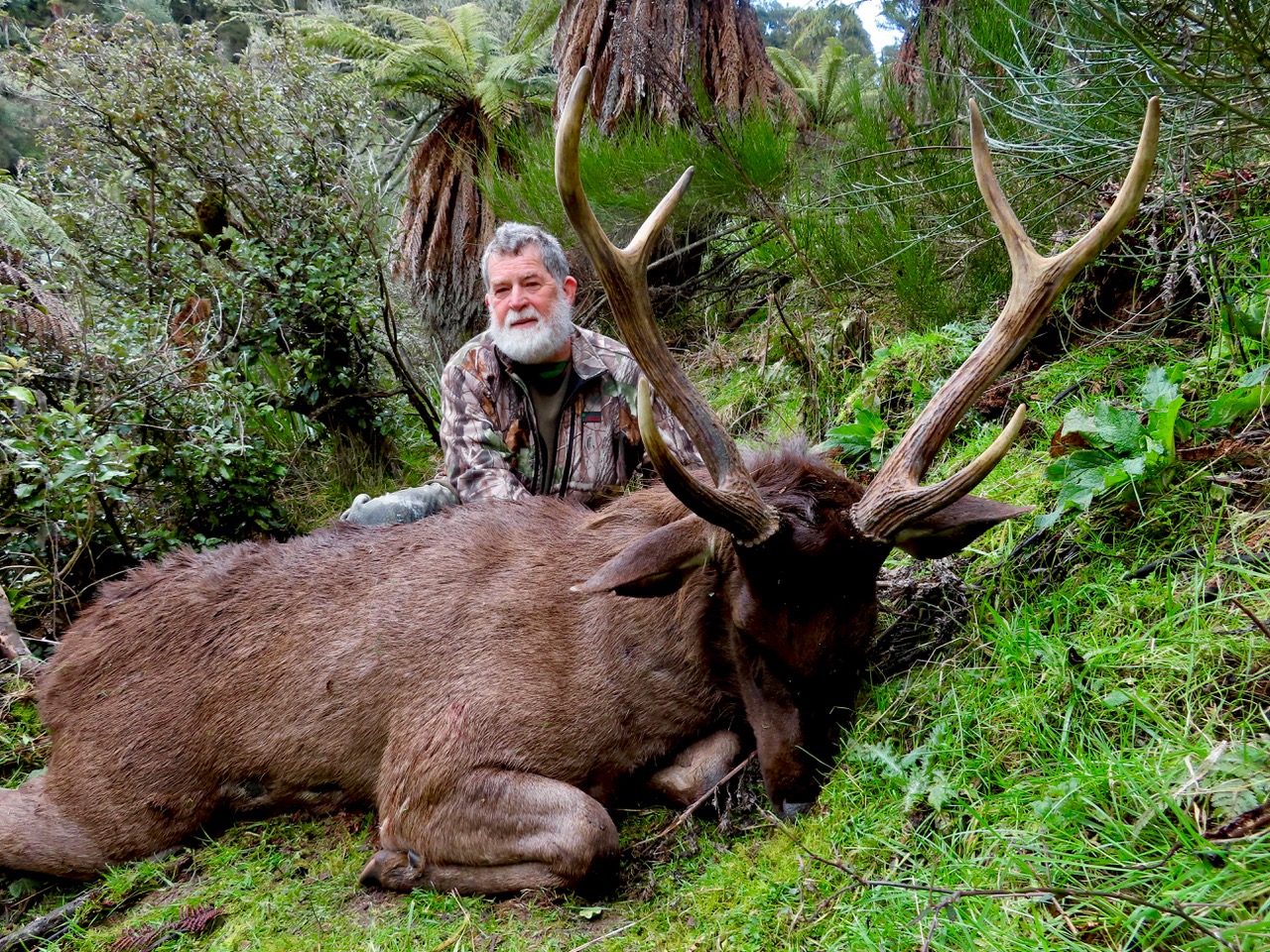
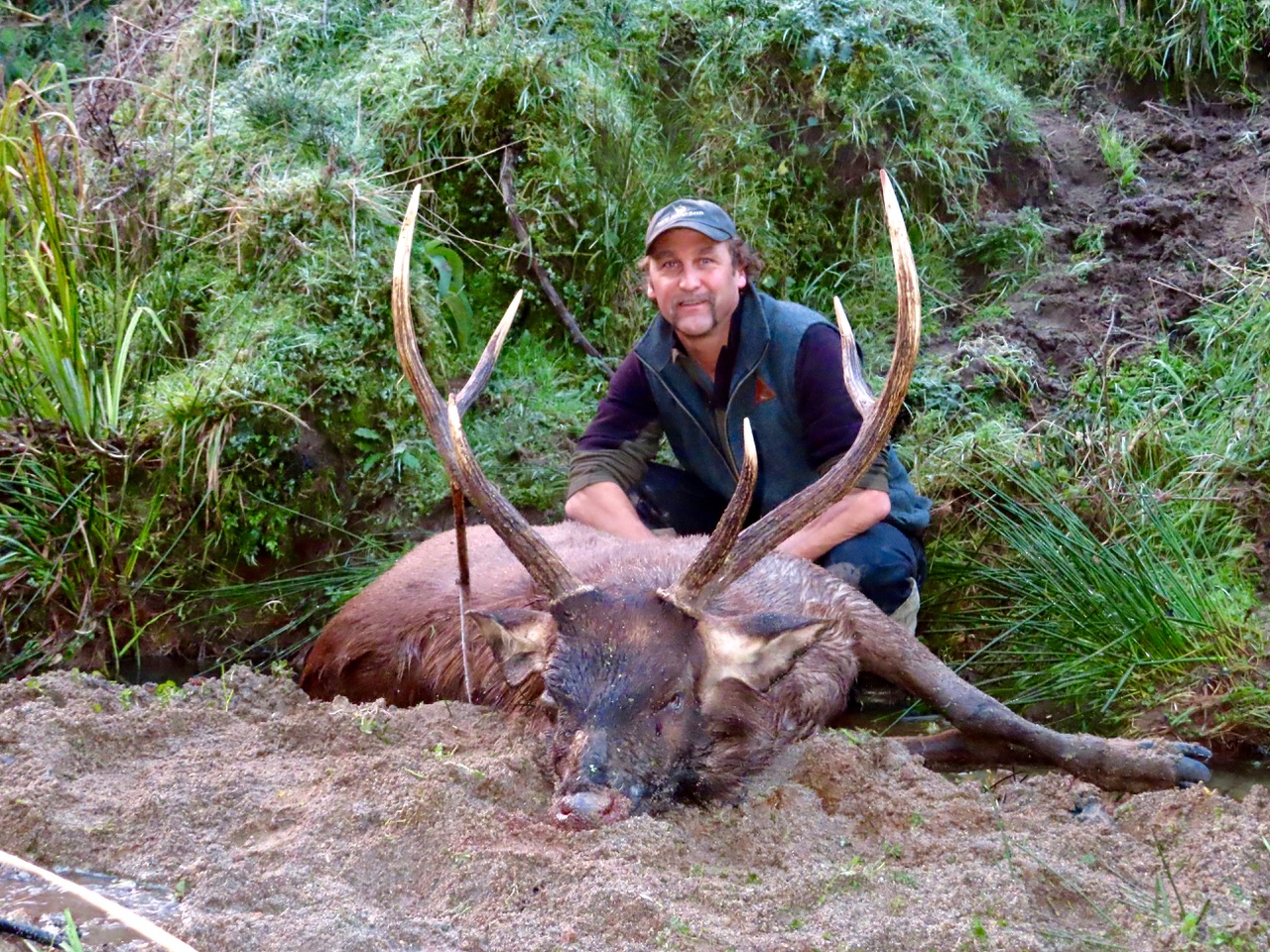
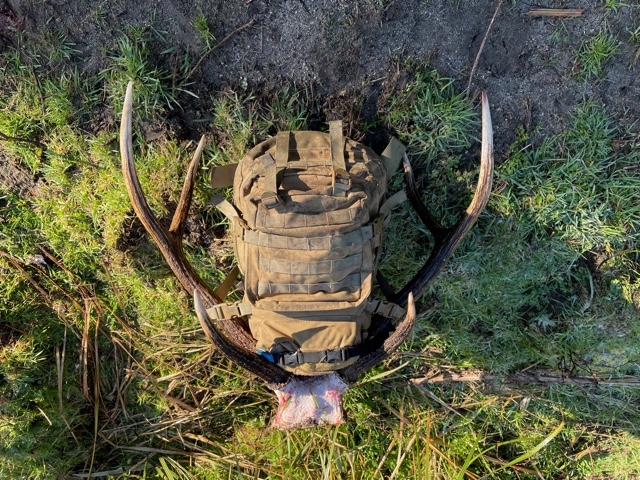
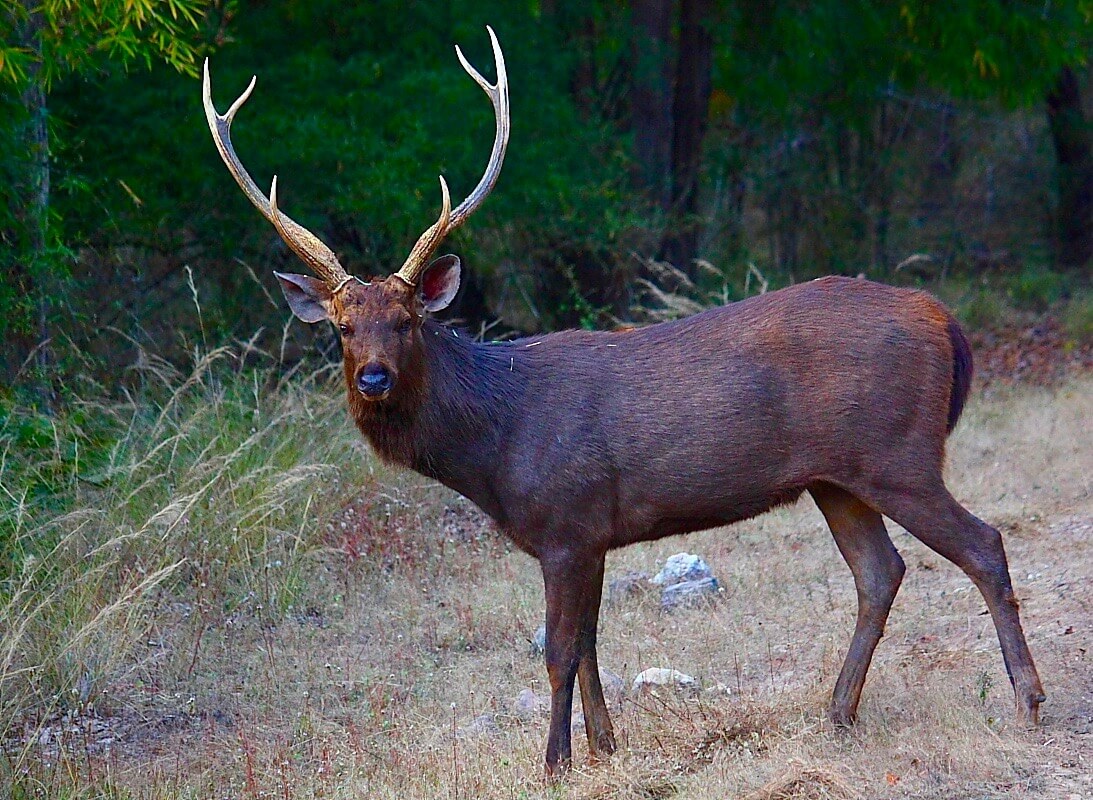
Sambar are a large deer with a distress bark not dissimilar to a fog horn. The second-largest deer species in New Zealand, a mature stag can weigh 700+ lb. The antlers on sambar are very dense, and for this reason they are sought after by both trophy hunters and knife makers all over the world.
Hunting Sambar Deer
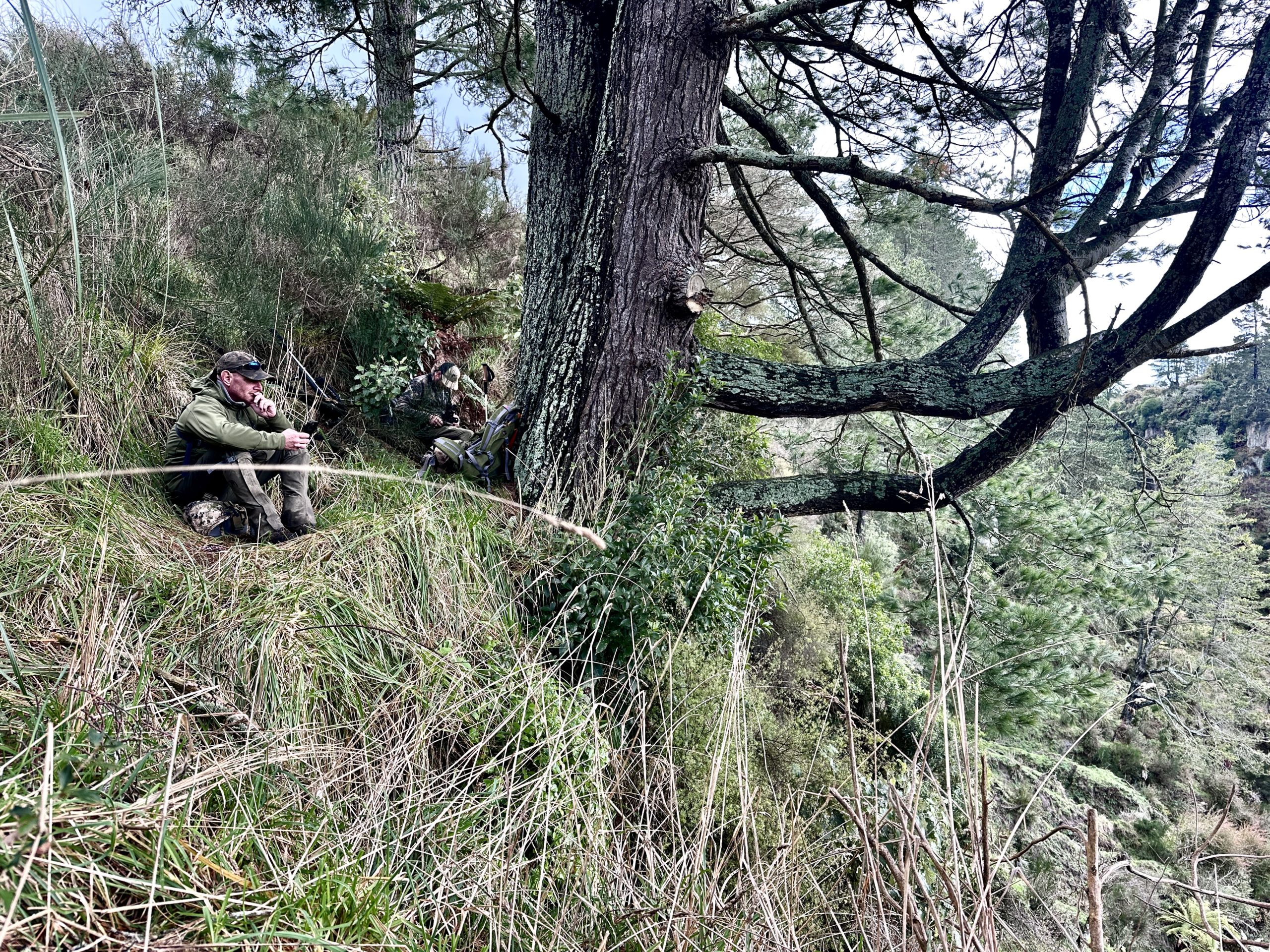
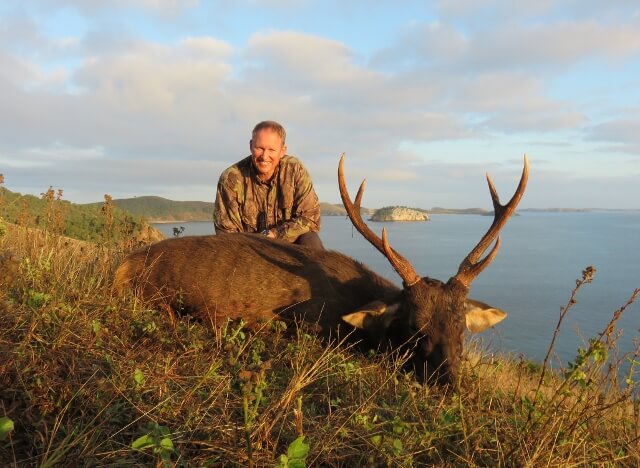
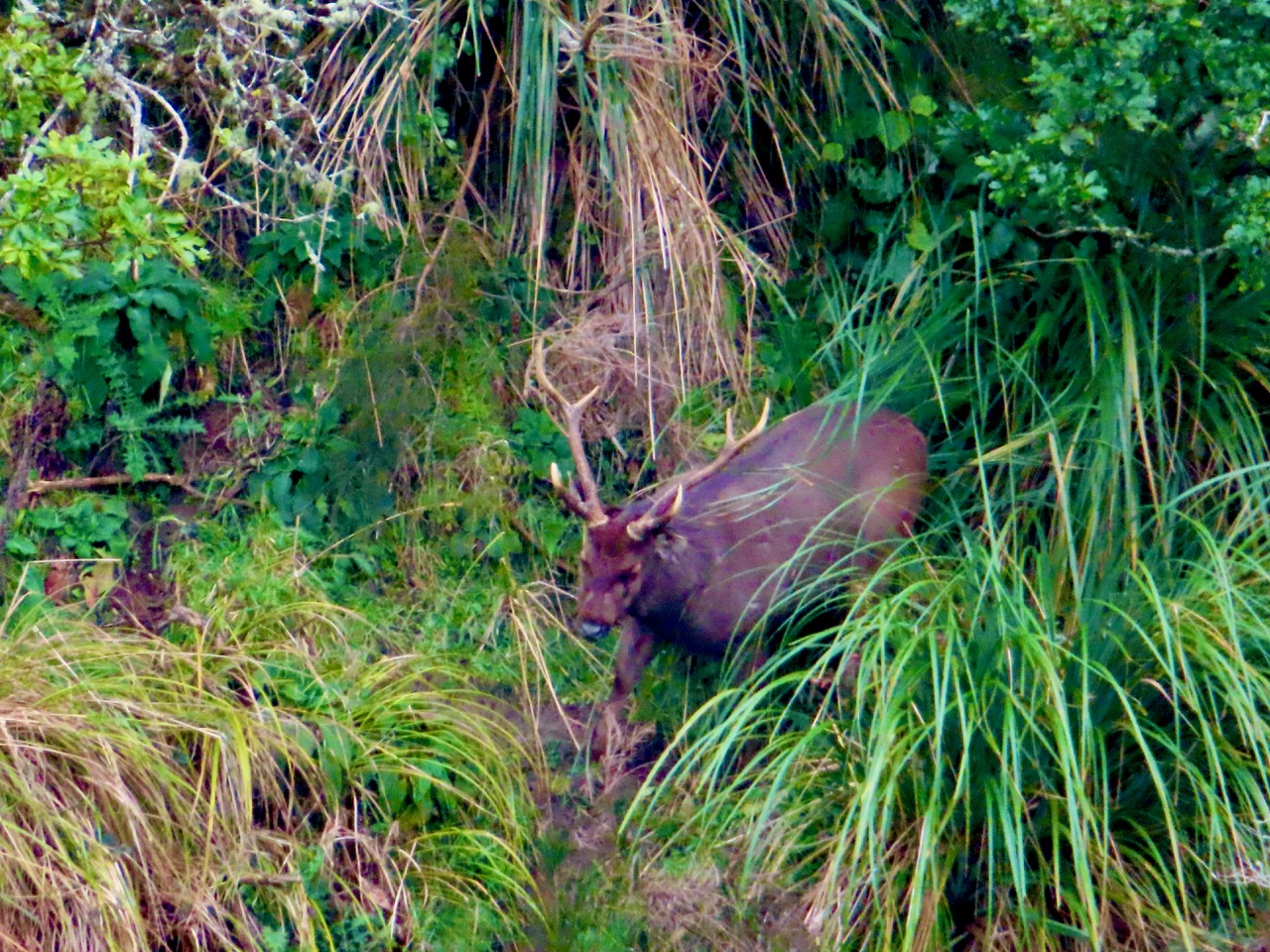
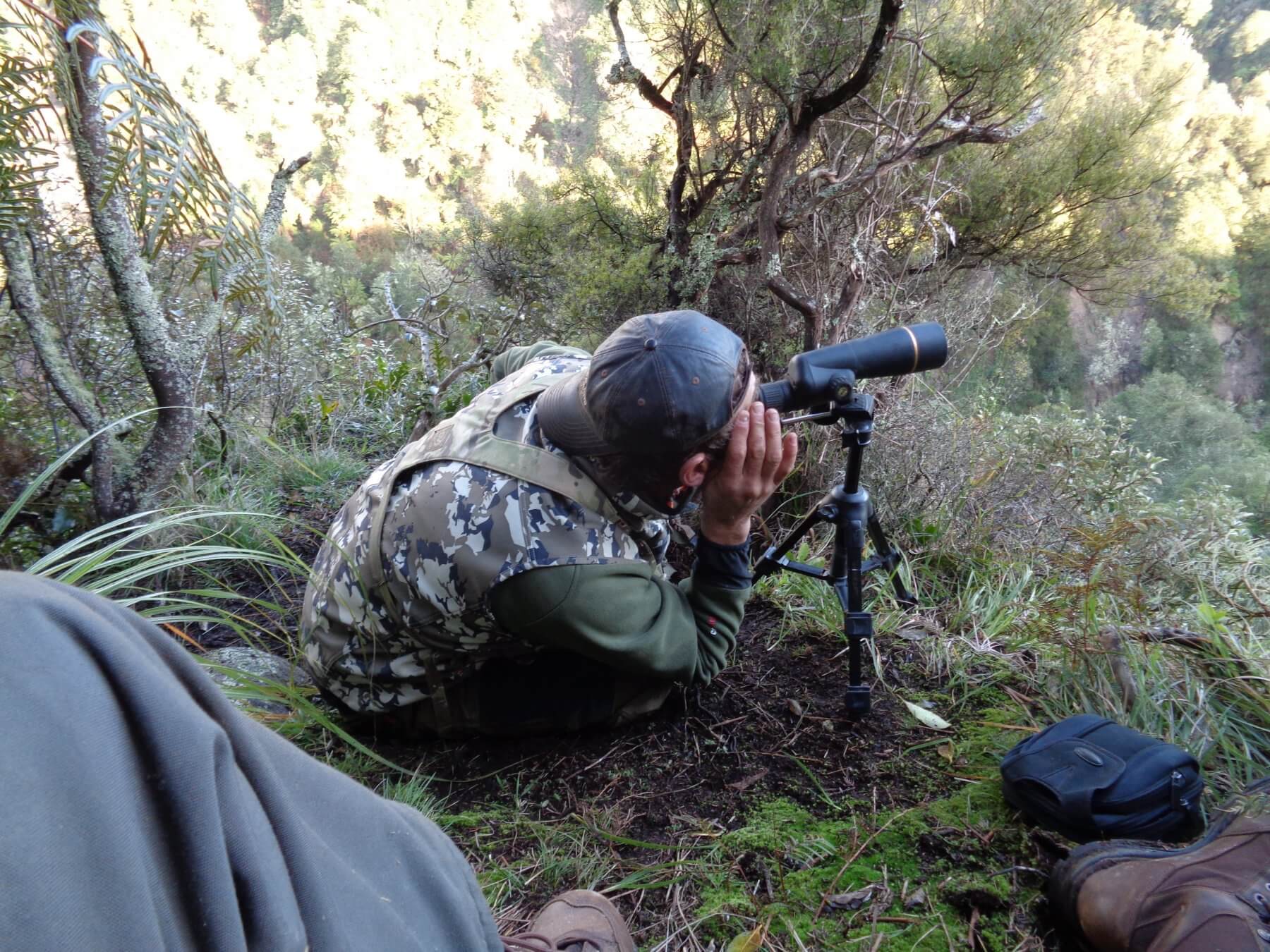
We glass from the edge of the open fields on private land down into the valleys, looking for a flicker of the ear or a slight movement of the body. Sambar move typically early mornings and late evenings, and are seen more often on cooler mornings as the sun hits open valley faces where they come out to sun themselves. Fitness does not play a major part in this hunt, but patience and skill as a hunter will earn you the reward. New Zealand Safaris offers limited hunts each year on free-range sambar stags, personally guided — the privately owned property we hunt possesses some of the largest wild sambar in the South Pacific.
Hunting Sambar Deer — A Few Things to Know
Hunts can be combined with sika and rusa deer in the North Island, and with any of the main species in the South Island via a short one-hour commercial flight. Sambar stags are in hard antler and can be hunted from late May through September, with the rut running from mid-June to August.