Banteng Hunting in Australia
The only place on earth you can hunt pure wild, free-range Banteng. Northern Territory, June to September.
Get a QuoteWild, free-range Banteng in the Northern Territory
Banteng were originally introduced from Thailand in 1849 to the Cobourg Peninsula in the Northern Territory of Australia, for the establishment of a British outpost called Port Essington. The original herd totalled just 20 Banteng cattle (Bos javanicus), intended to be used as a food source.
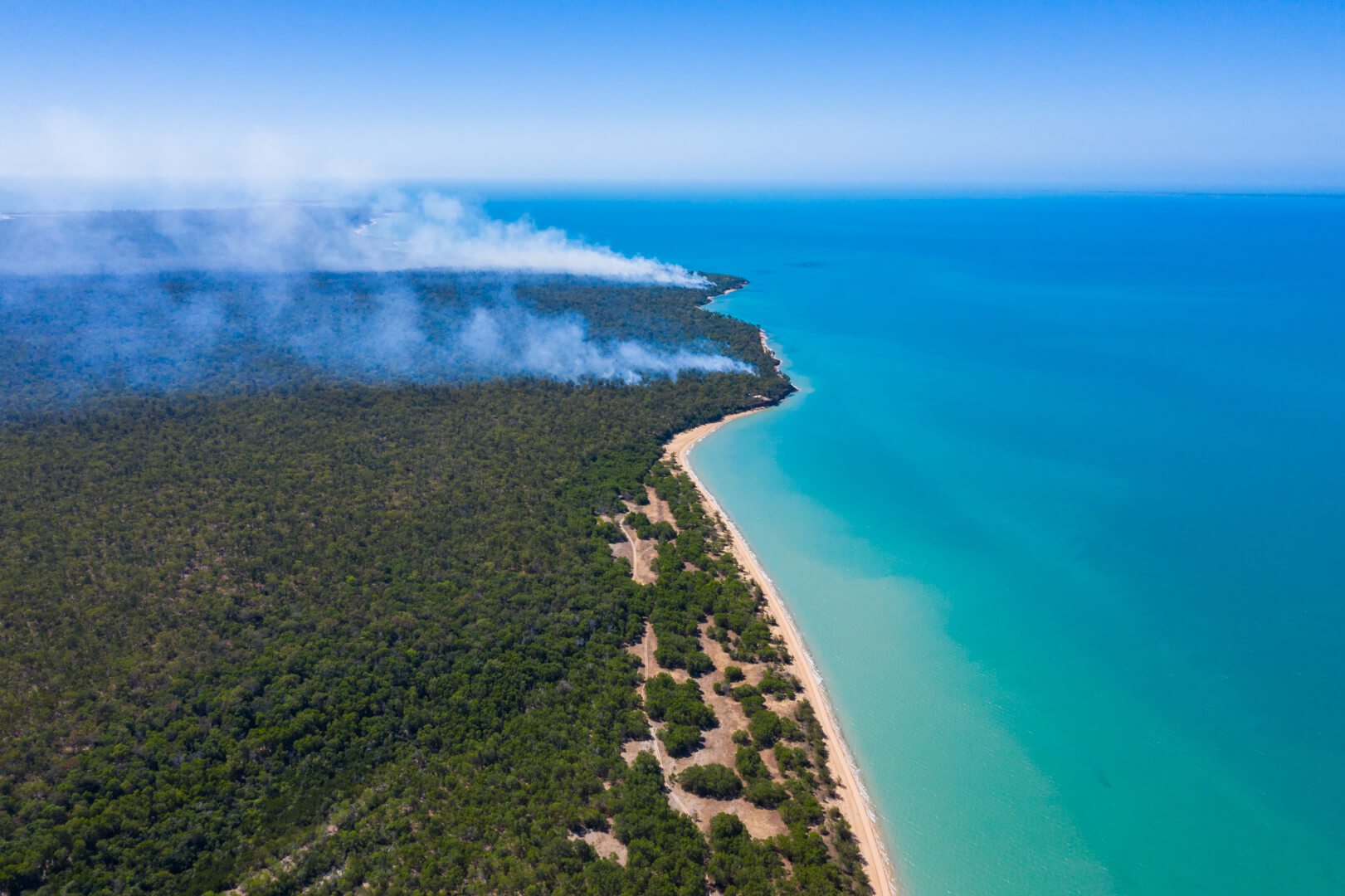
Today these wild and free-ranging Banteng still live in the Cobourg region and the surrounding area. Dr. Corey Bradshaw conducted a study on these wild cattle in the Garig Gunak Barlu National Park and found that:
- The national park is home to the largest herd of wild, free-range Banteng in the world.
- This herd represents a conservational importance to the now endangered breed in their home country.
- They are still pure bred Banteng.
- The herd is approximately 8,000 to 10,000 strong.
- They have adapted to interact positively with native bird populations.
- Grazing by Banteng minimises potential dry grass build-up, limiting the encroachment of seasonal fires.
- They cause limited overgrazing of the habitat, especially compared to buffalo and feral pigs, and will change their diet from grass to dry leaf matter during the dry season.
- Because of the socio-economic niche the Banteng has occupied, both from hunting and for food, it has a role in helping to recover endangered wild populations in Asia, where there are fewer than 500 left in the wild.
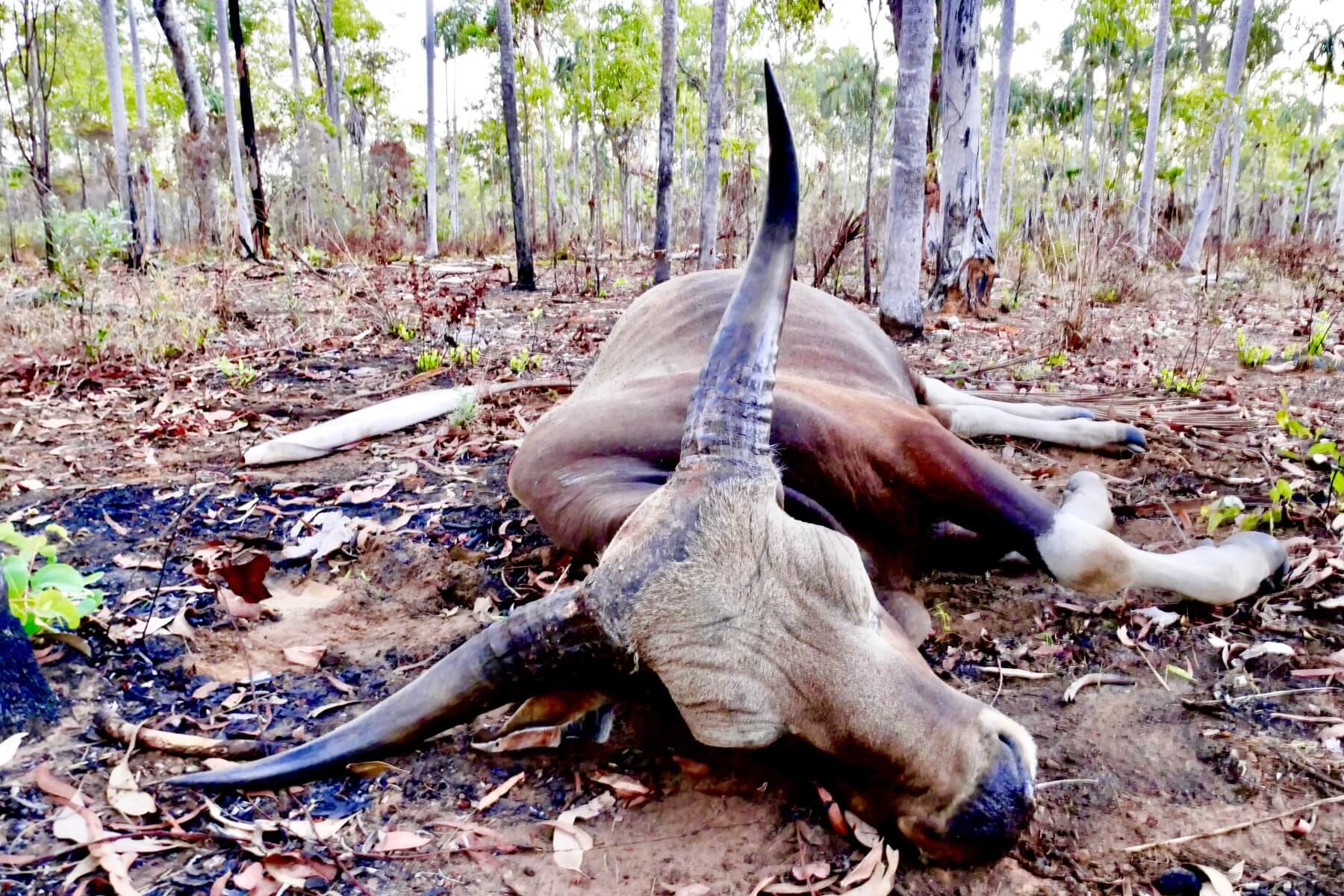
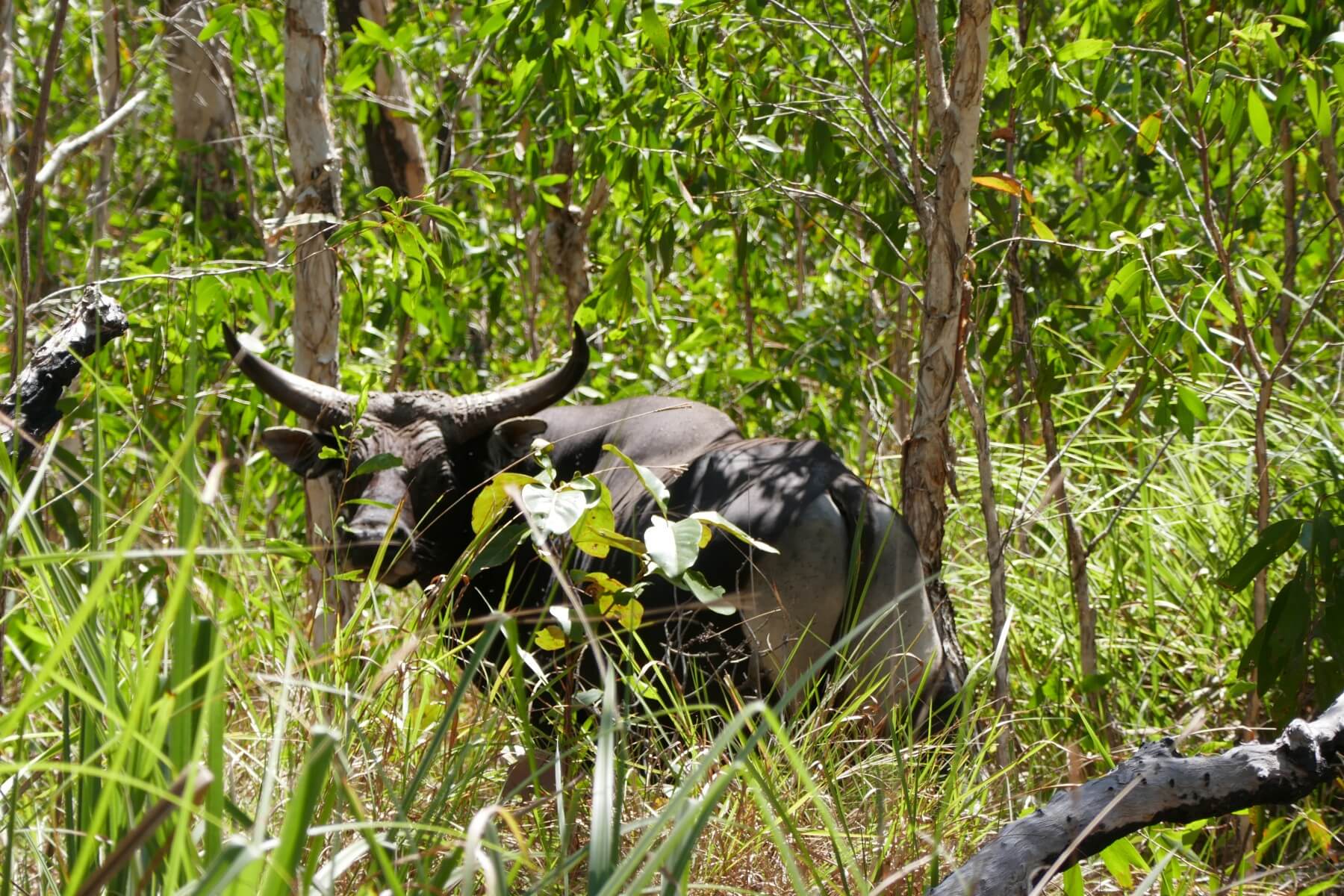
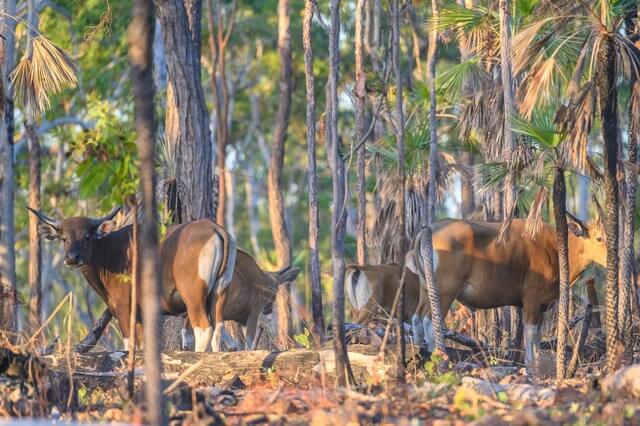
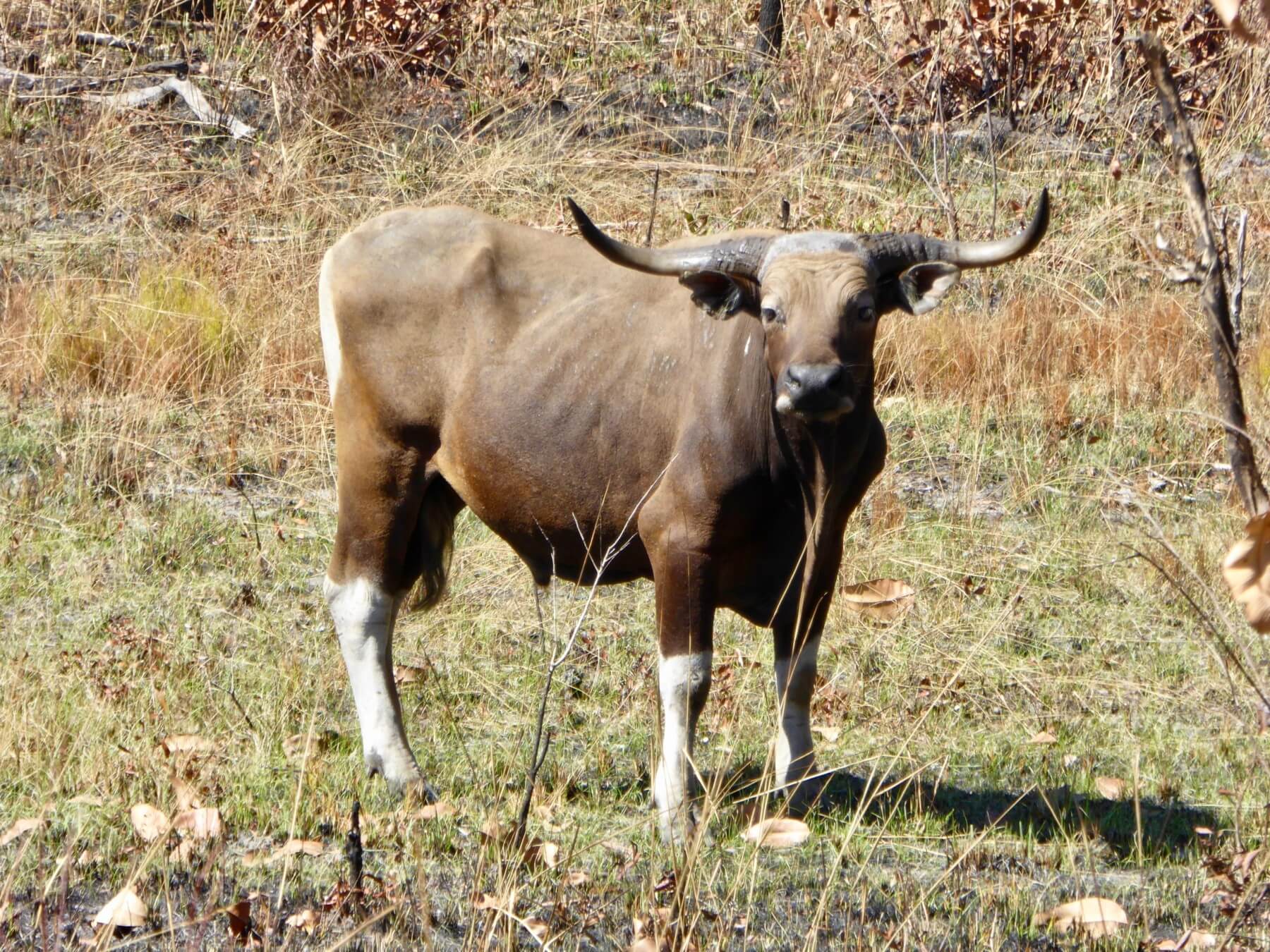
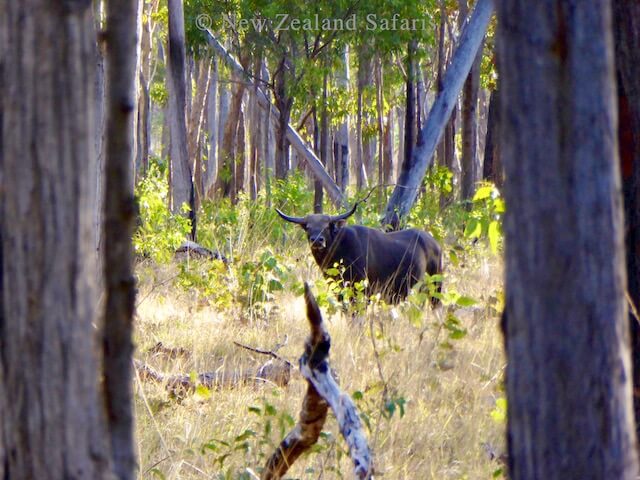
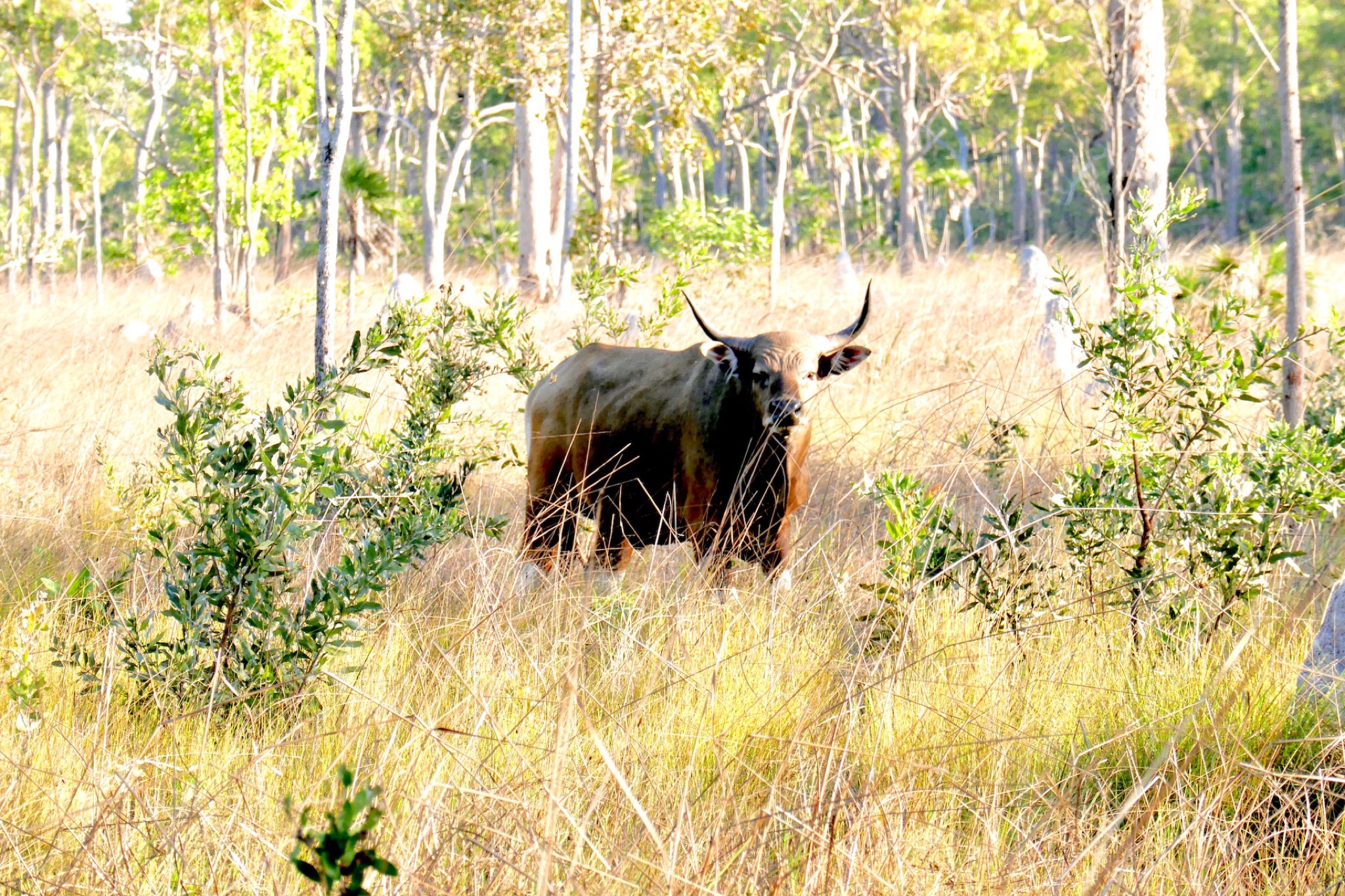
The Banteng prefer to feed near a permanent water supply, and when conditions are suitable they will drink daily. During a drought they can survive several days without water. With an average height of 61 to 65 inches at the shoulder and weighing between 1,300 and 1,800 lbs, wild free-range Banteng are well known for being alert and flighty in their disposition, typically disappearing into the deep jungle over confrontation. Female cow Banteng are typically brown in colour, where the bulls can range from black to brown and tan, both with a large white rump and white sock markings on their legs. In the wild, Banteng can live up to 20 years old. They mature at between 2 and 3 years old and typically rut in October and November.
Spot and stalk for a mature trophy bull
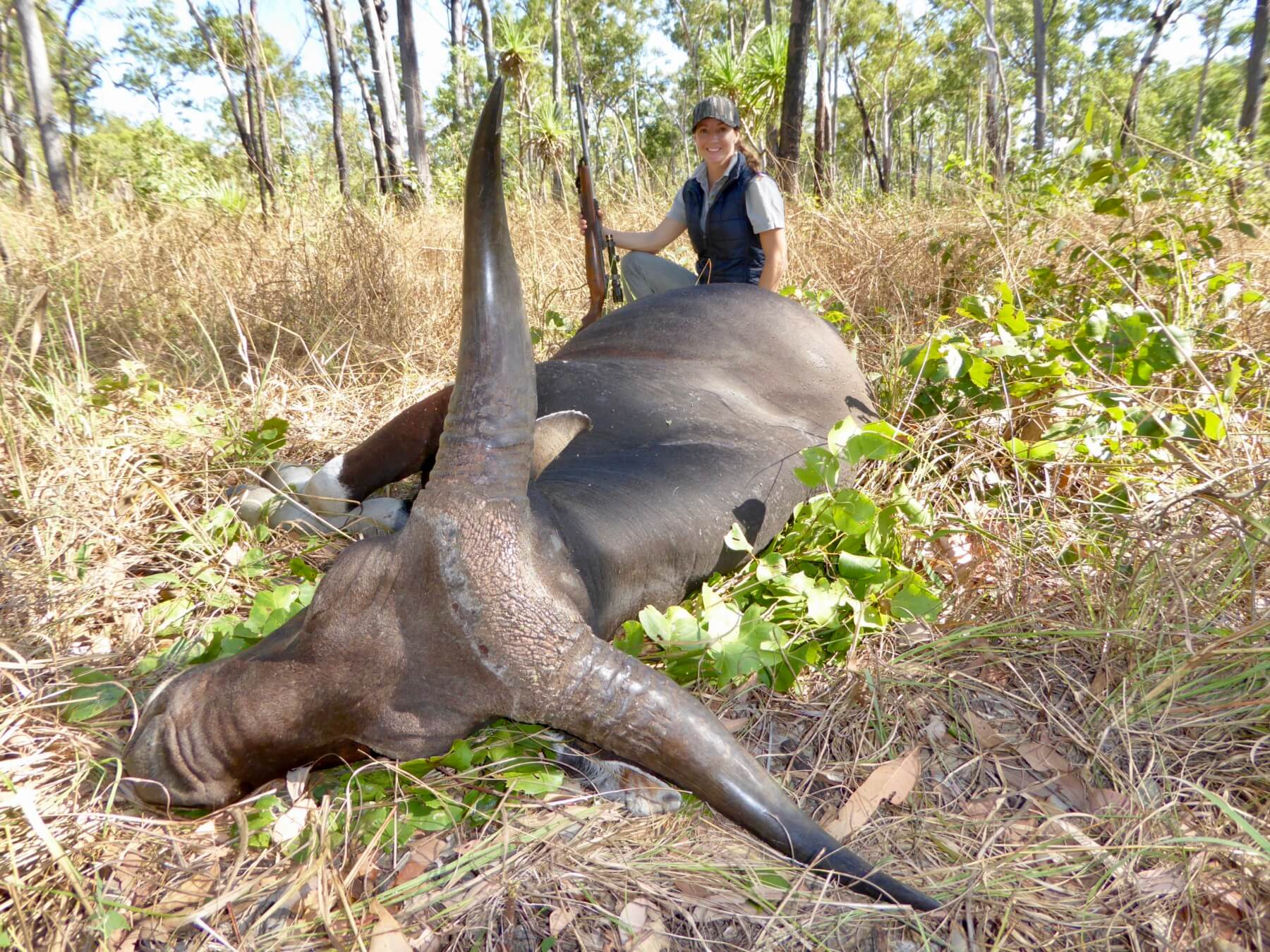
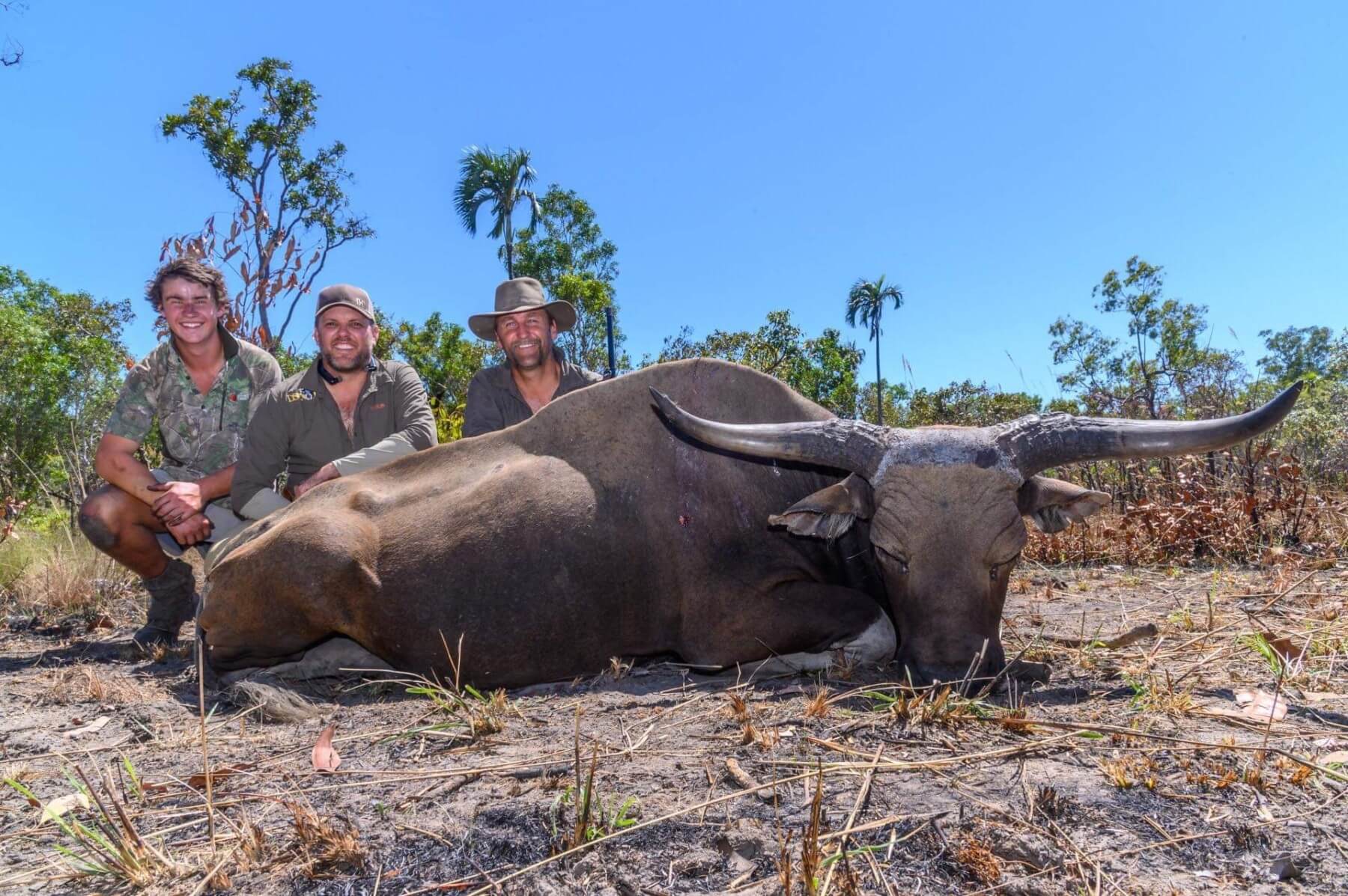
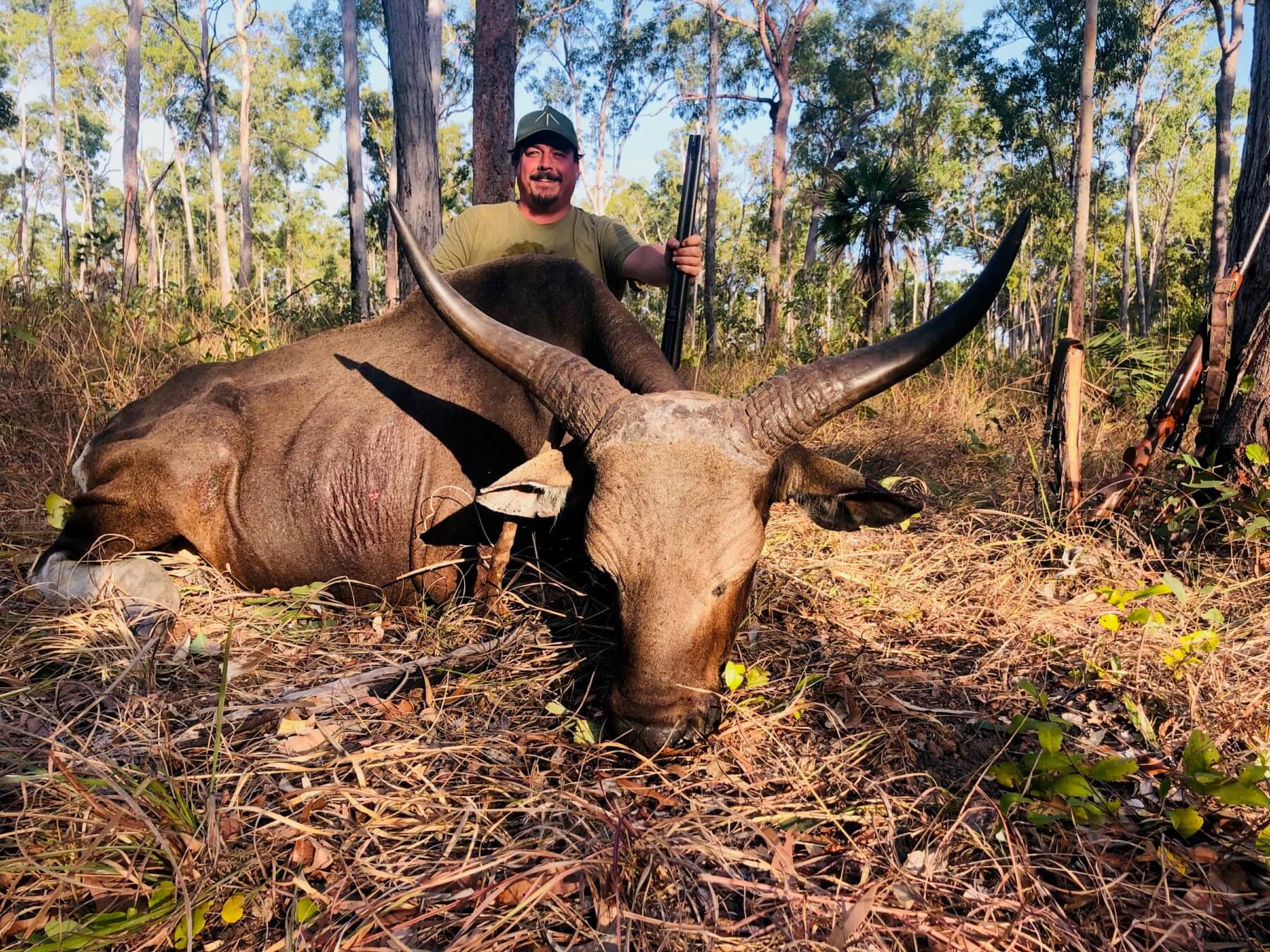
When Banteng hunting in Australia you are looking for those large, old, mature bulls. Horns on a bull Banteng will vary from 18 to 25 inches in length per side, with bases of 10 to 15 inches. Cows also have horns, but much smaller in length and mass. There are two main classifications on trophy hunting Banteng that are wild and free-ranging. Measurements of horns are based on the Safari Club International scoring system, where a silver medal Australian Banteng will go up to 66 4/6 inches combined, adding both horn length and base measurements together. Over 66 5/8 is considered gold medal.
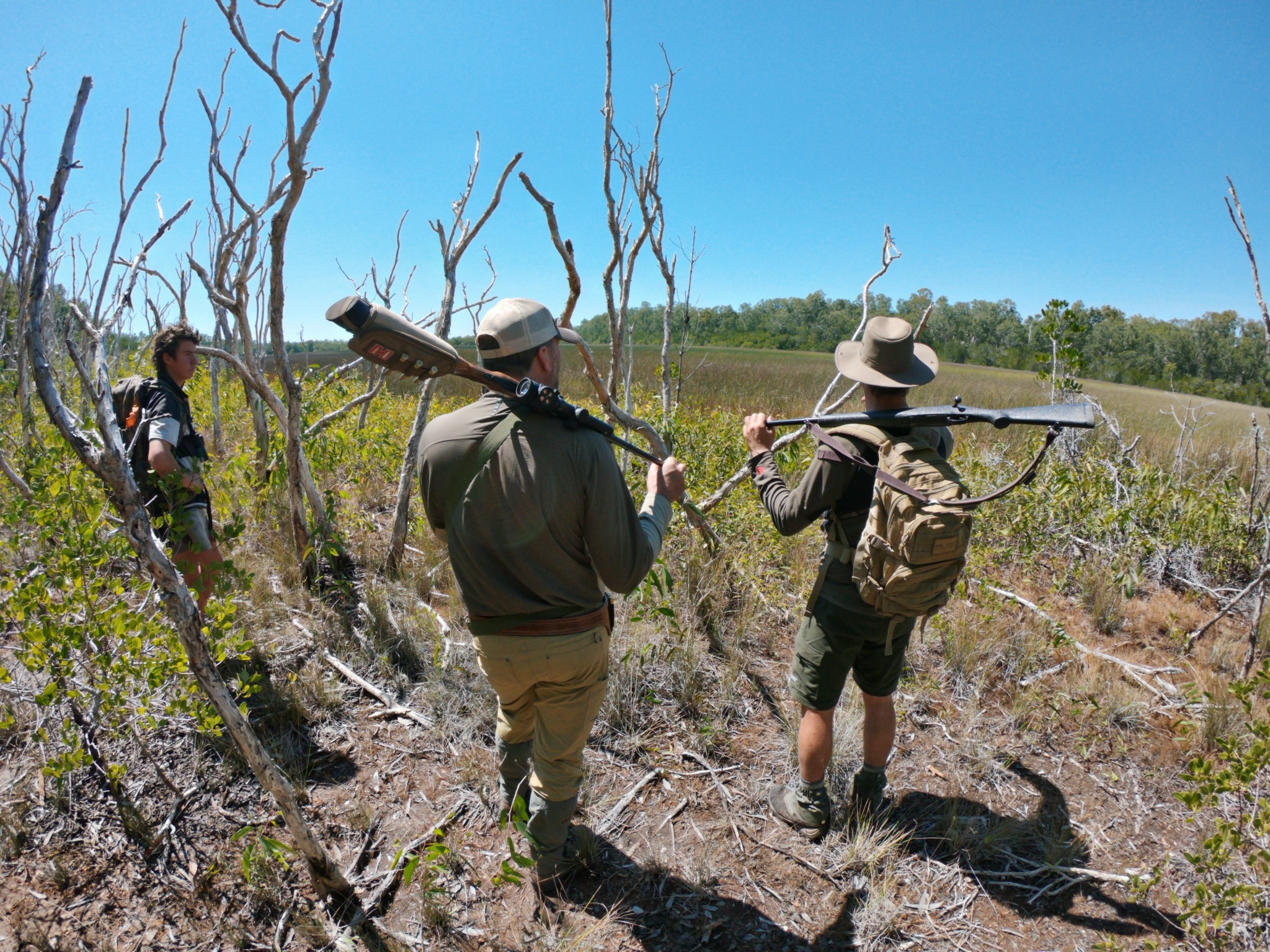
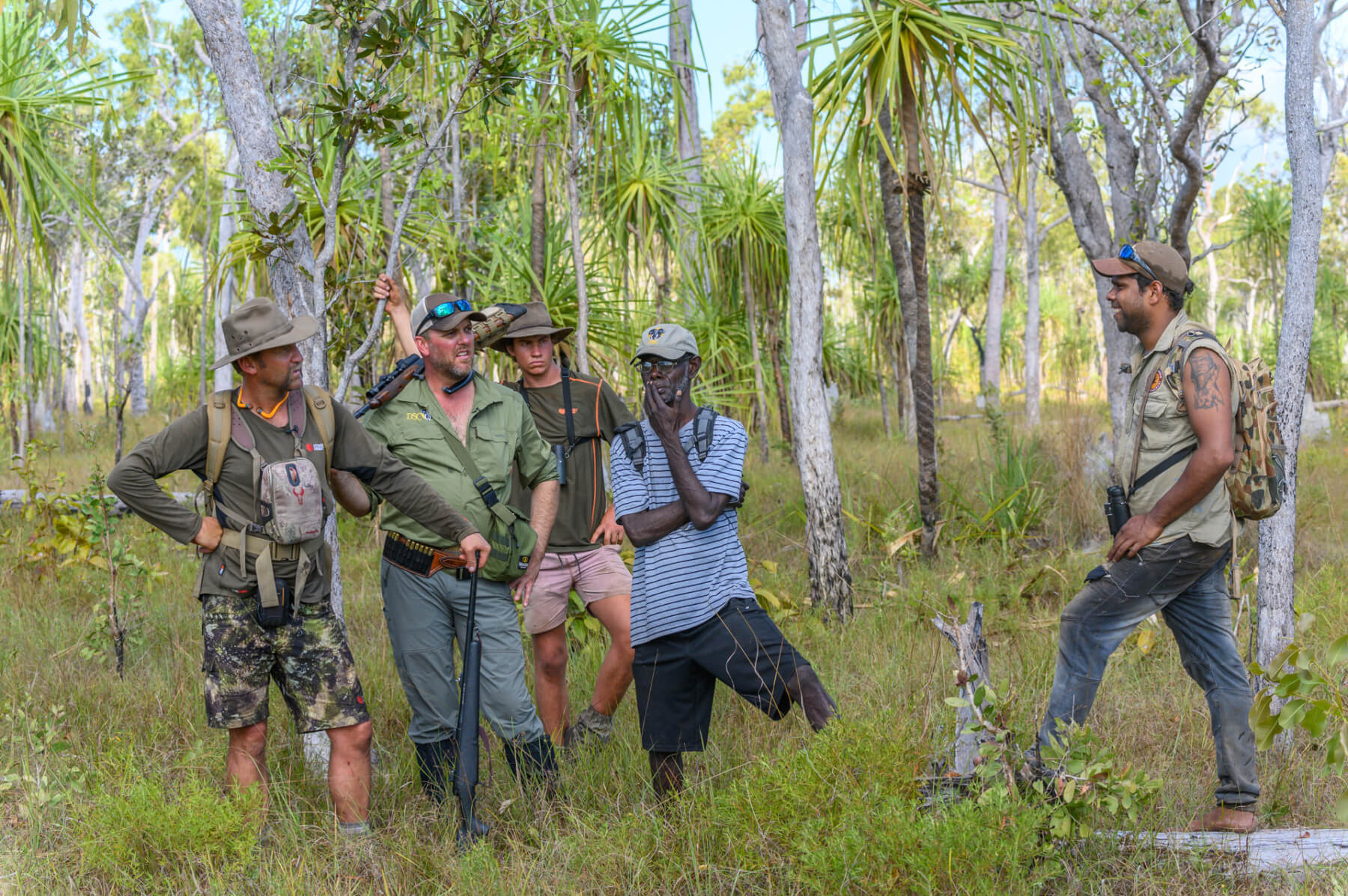
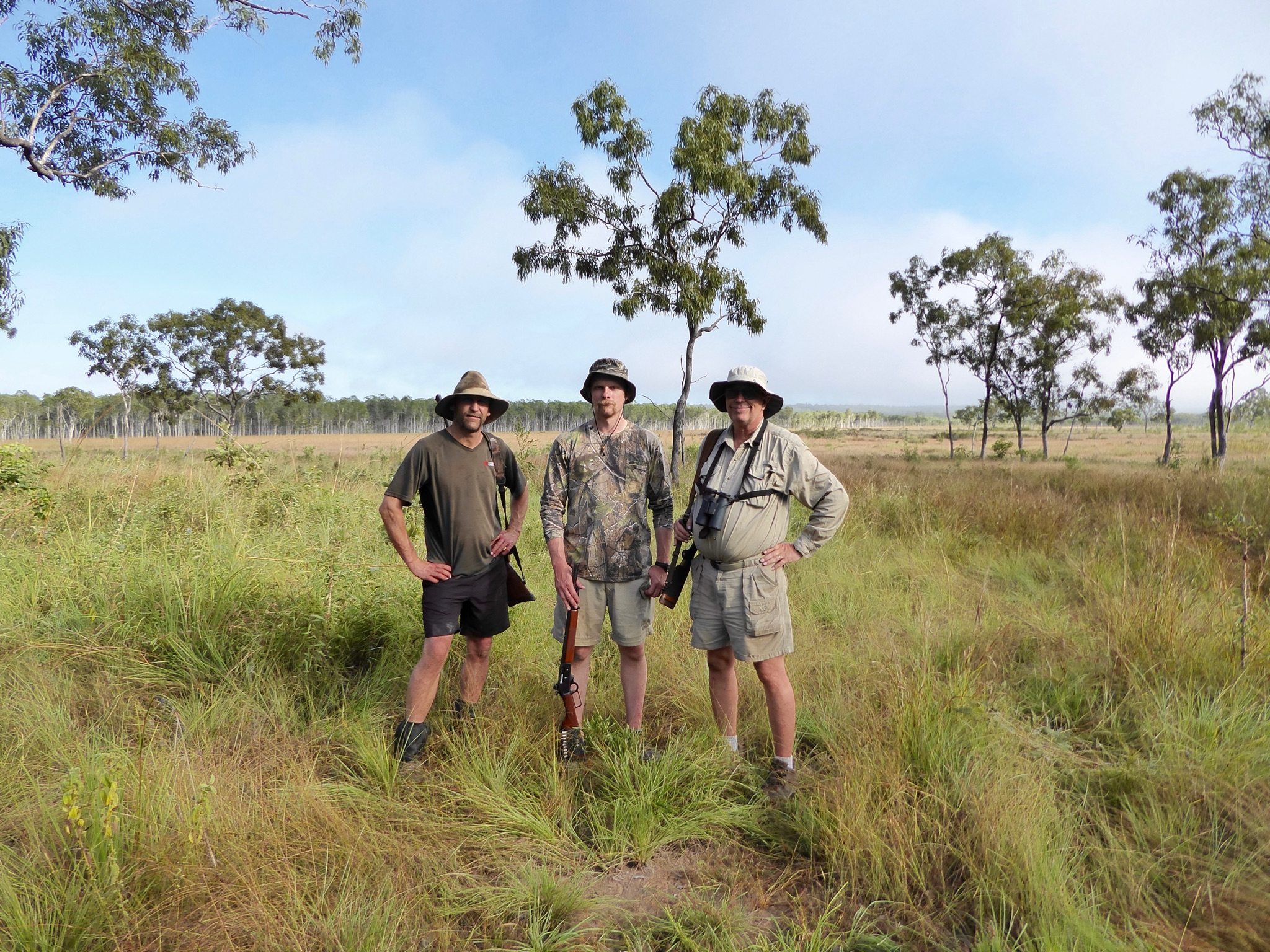
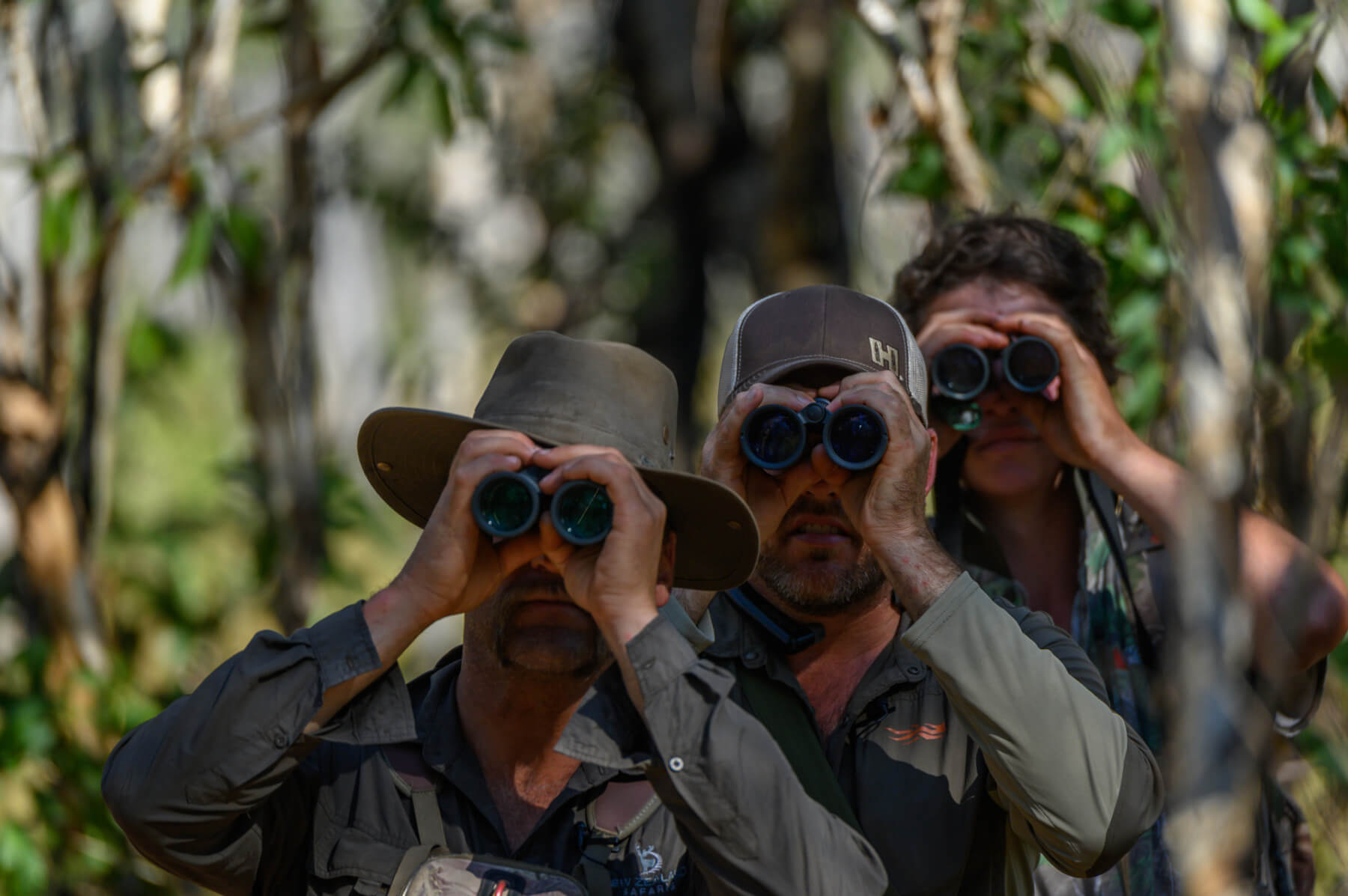
Hunting Banteng in Australia you will utilise a 4×4 vehicle, driving jungle roads looking for crossings to water in the morning. It is not uncommon to see Banteng when driving out of camp. From there you will spot and stalk with the assistance of your guide, looking for a big trophy bull. Recommended calibre for Banteng hunting in Australia is the .375 or above, with shooting distances typically under 100 yards. This is one of the pure and genuine hunts that you will remember for a lifetime. Banteng hunting in Australia is as much about the hunt as it is about the trophy. It is a great combination with water buffalo, and is still the only place you can hunt pure wild Banteng today.
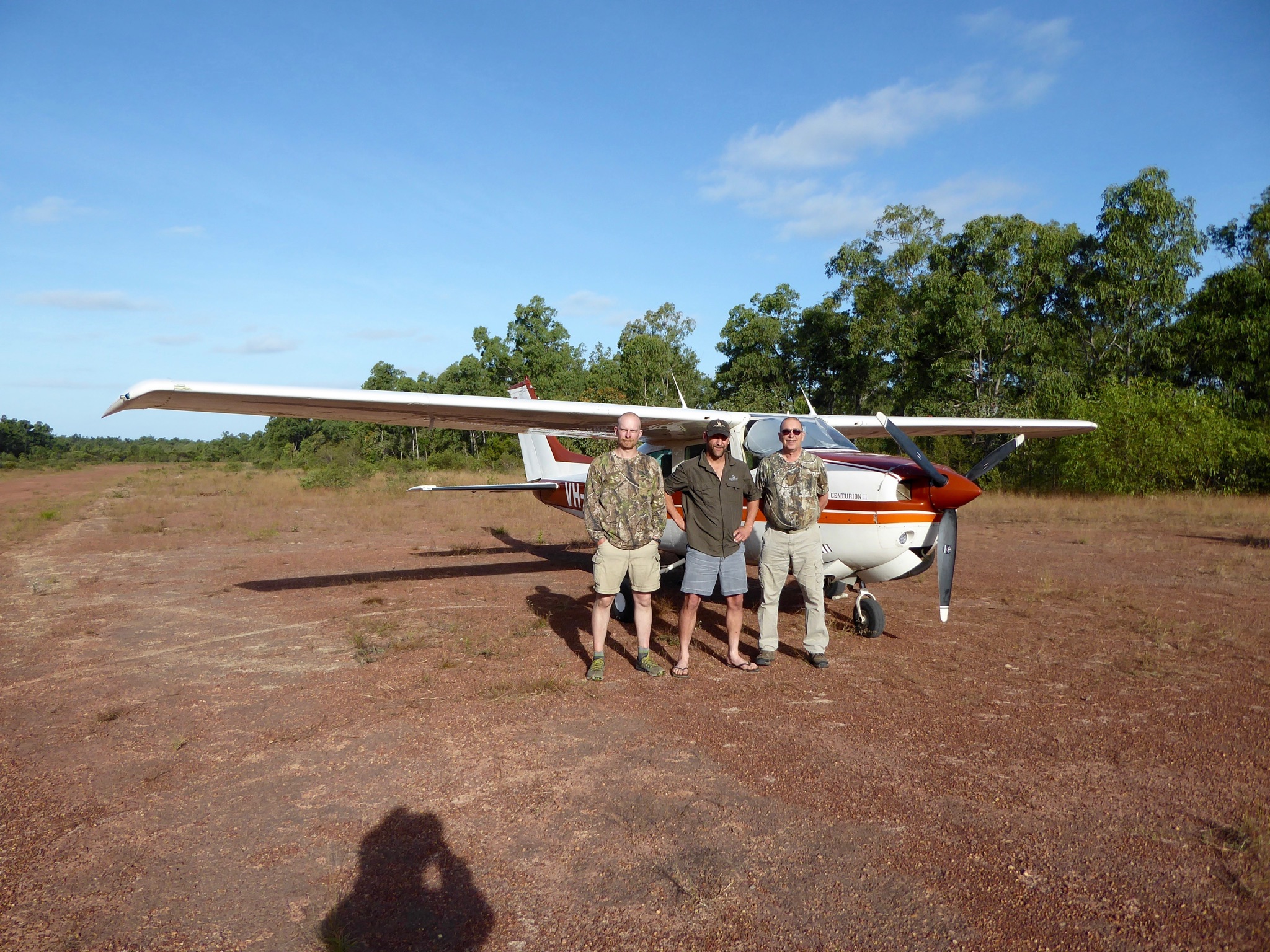
In the area there are wild boar and some buffalo. Recommended hunting months are June to September, when all the roads and ground are dry and easy to access, and it is commonly combined with a buffalo hunt. Clients will need to arrive and depart out of Darwin, Northern Territory. Access to the Banteng camp is either a short charter flight in, or a drive up there with your guide which is approximately 6 hours each way.
Australian Banteng hunting packages
All hunts are quoted in USD and include:
- Airport pick-up and drop-off from Darwin
- All ground transportation during the safari
- Tent camp accommodation
- CITES permit included for Banteng
- All meals and camp hospitality
- Professional hunting guide
- Rifle and ammunition rental
- Hunting permits and access licenses
- Trophy preparation for export, with European mount preparation completed in camp
- Hunt photography
Trophy Banteng Hunt
- 1 Trophy Banteng
- 1 Trophy Boar
- Darwin pick-up and drop-off
Trophy Banteng Hunt
- 1 Trophy Water Buffalo Bull
- 1 Boar
- Darwin pick-up and drop-off
Trophy Buffalo / Banteng Hunt
- 1 Trophy Banteng
- 1 Trophy Buffalo
- 1 Trophy Boar
- Darwin pick-up and drop-off
Additional trophy opportunities
| Trophy | Price (USD) |
|---|---|
| Trophy Buffalo Bull | $5,000 |
| Management Buffalo Bull | $2,500 |
| Wild Ox | $3,500 |
| Wild Boar | $950 |
- Shoulder mount cape skinning, fleshing, salting and packaging for export: +$250 per skin.
- Charter flight return for Banteng: +$2,500 return if preferred. If the hunt finishes early, any additional days remaining will be refunded.
- Deposit required: $5,000 USD.
Hunting Banteng in Australia’s Northern Territory
Banteng hunting photos
Trophy bulls, the country and the camp. Click any photo to enlarge.